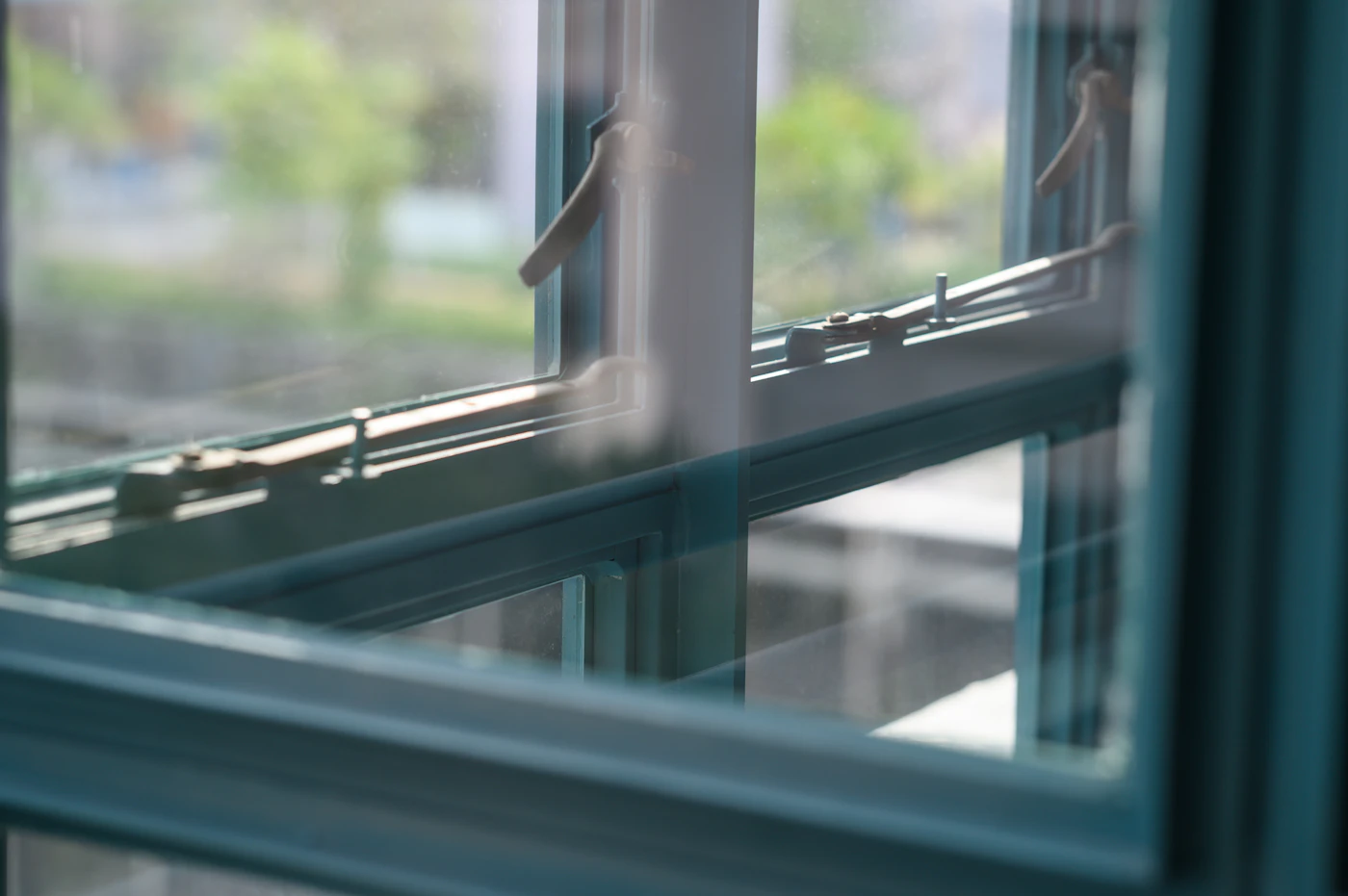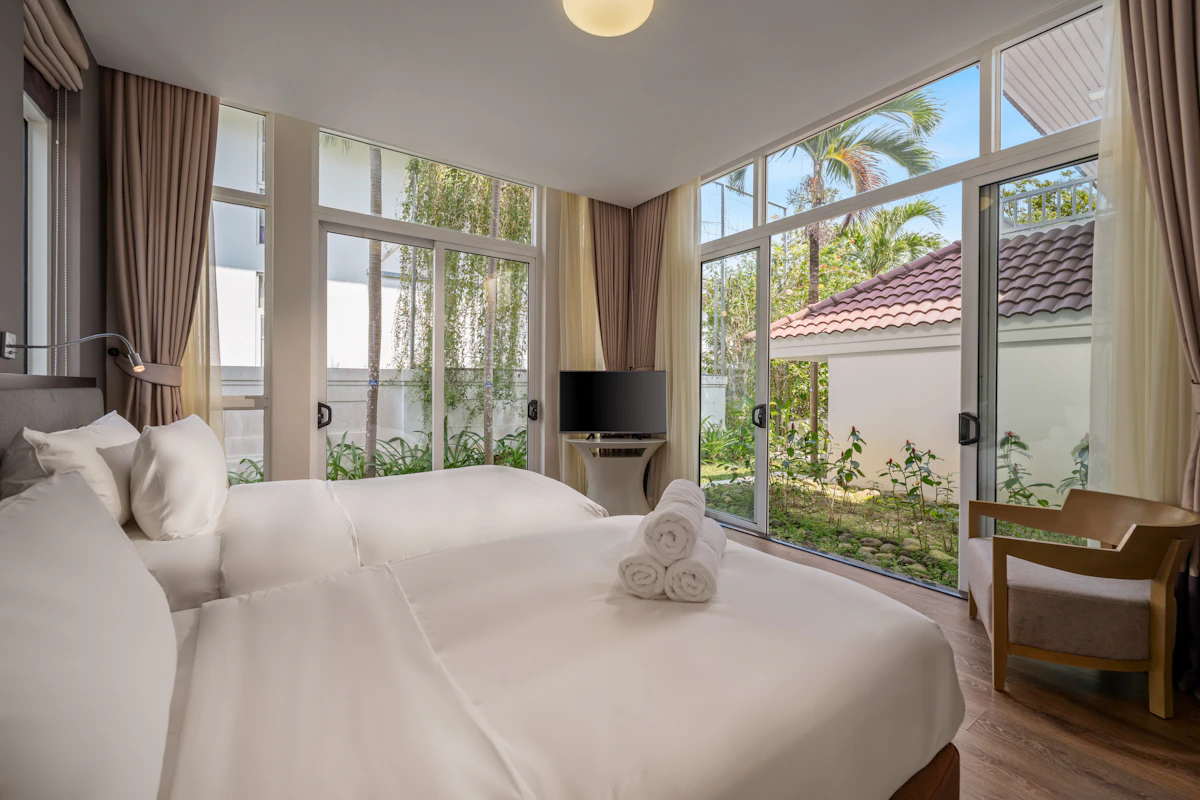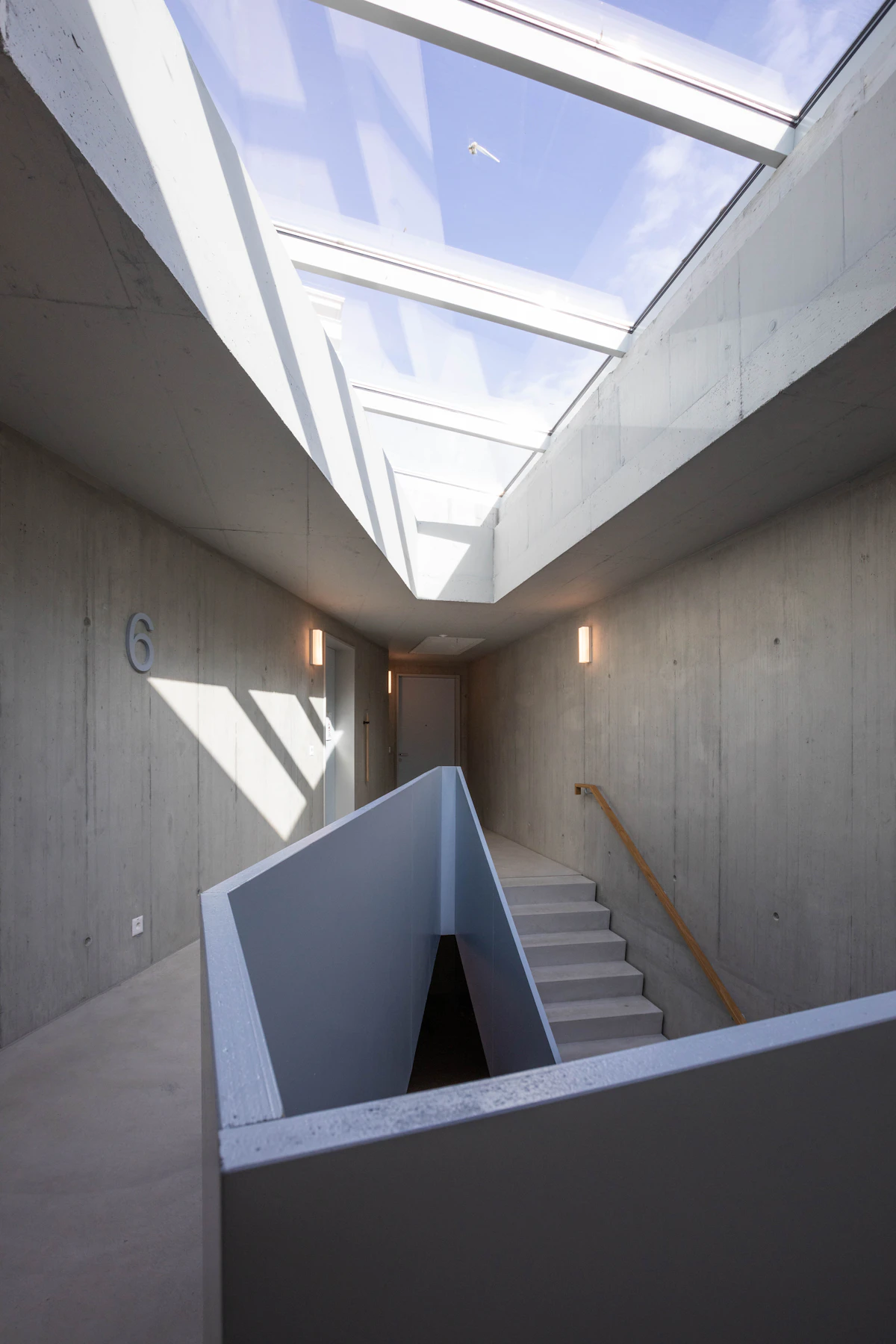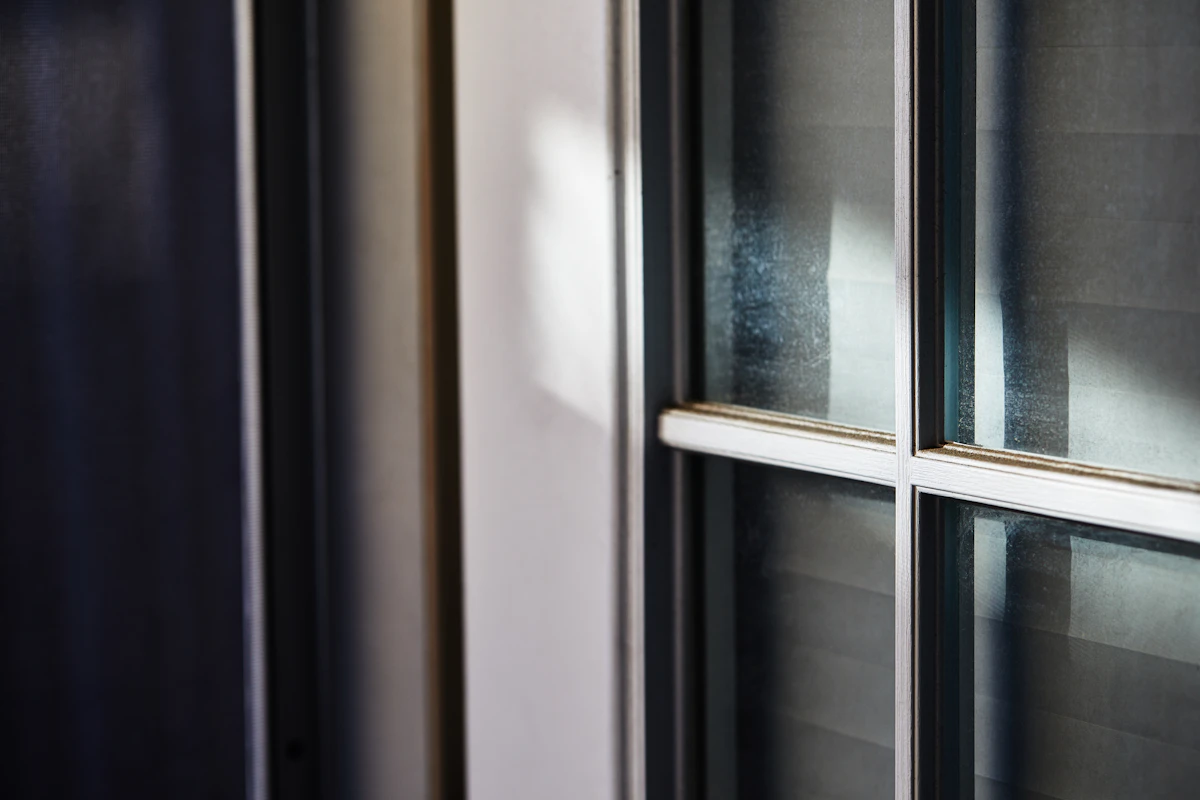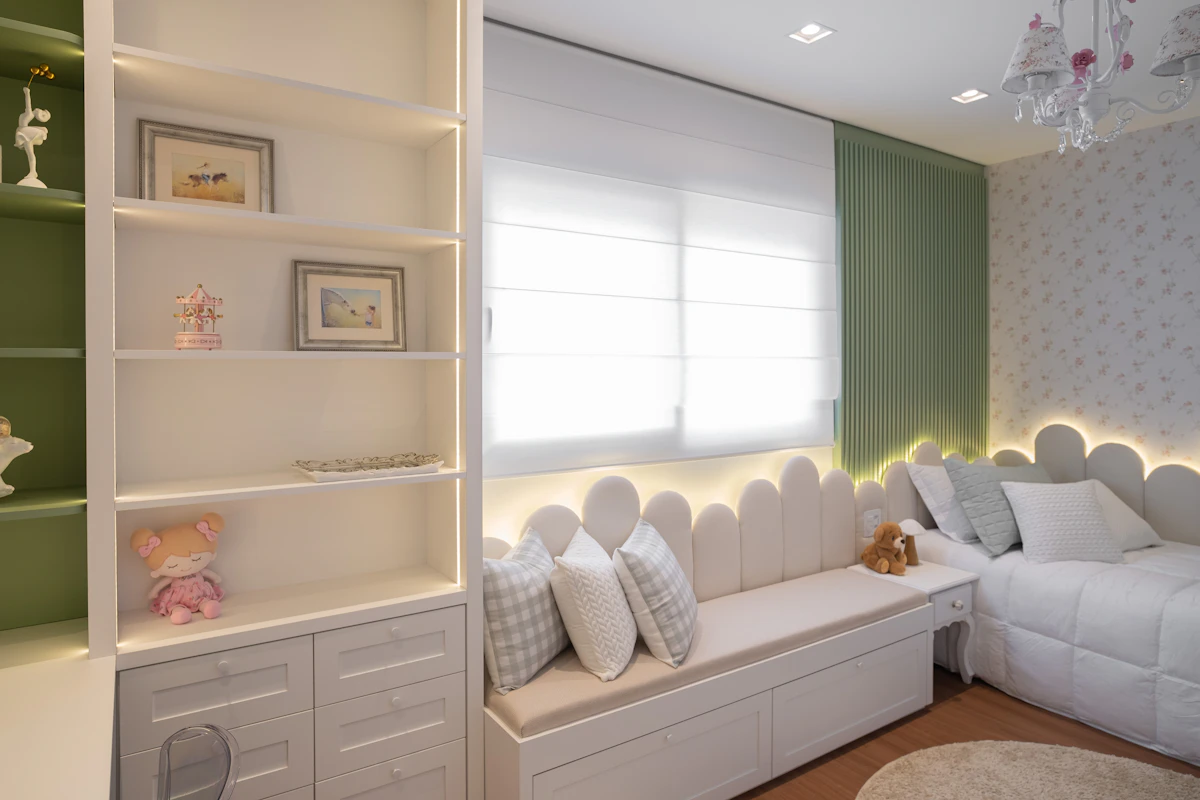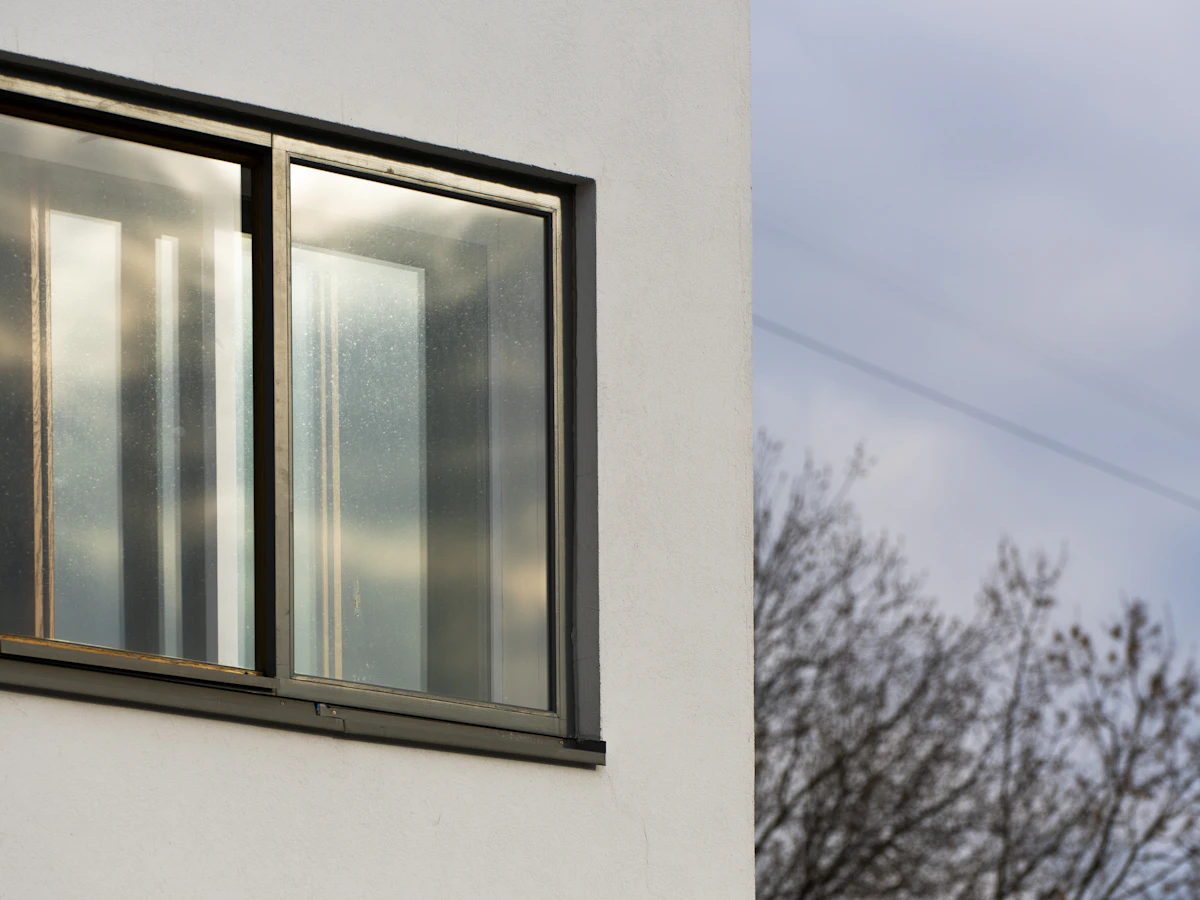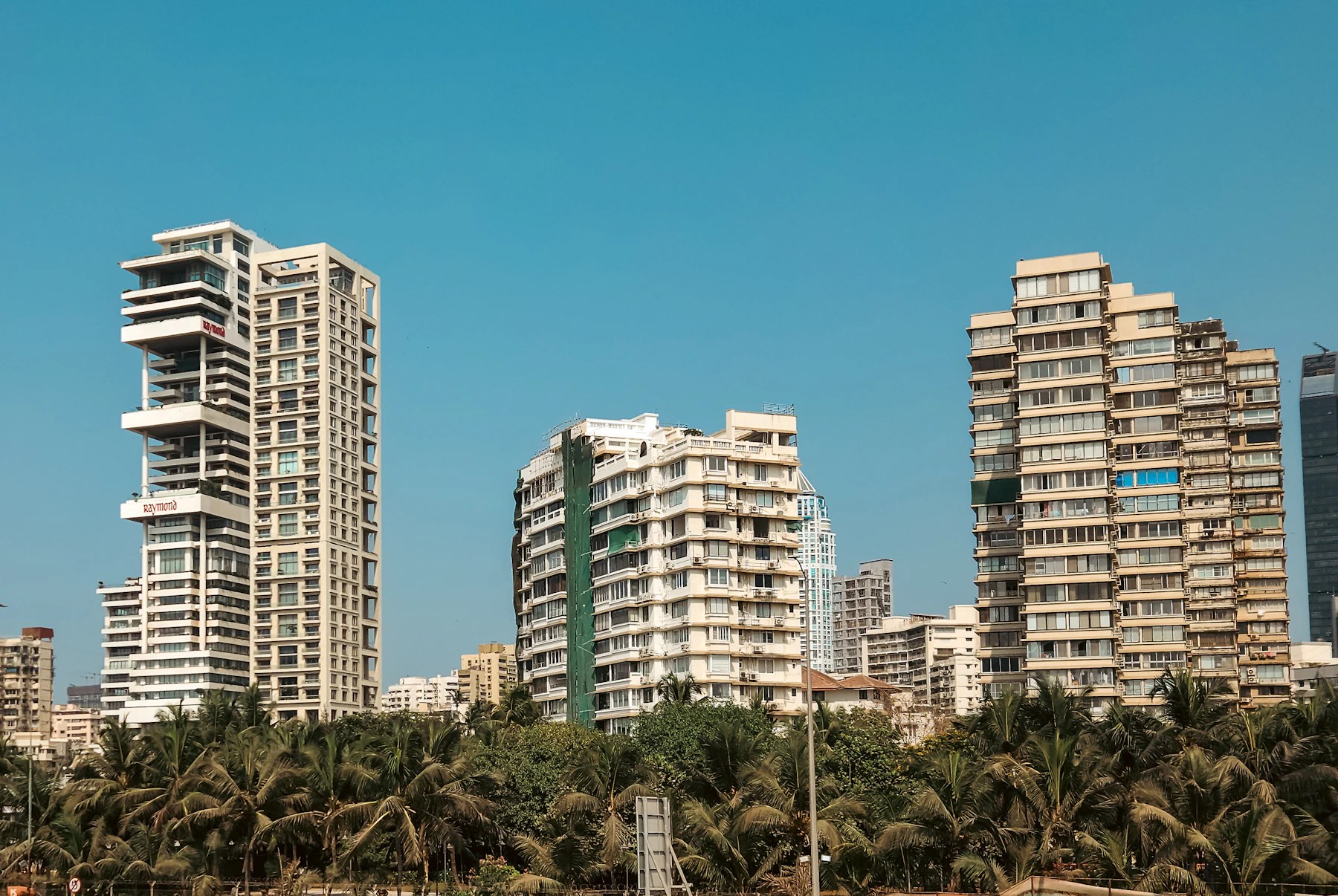
A 25 × 50 mm aluminium sliding window — two- or three-track — for the windows in a Mumbai flat that don’t need a 16 × 45 slim section. Bedrooms, studies, kitchens, small balcony enclosures. Properly gasketed, properly rollered, built to outlast the no-name market window by a decade.
A standard Mumbai bedroom or study window is the place fabrication economics break down most quietly. The market window — the one bought from the local aluminium shop — is fine the day it's installed. Five years later the rollers seize, the gasket disintegrates, the lock slips, and the first heavy monsoon finds a way past it.
Two- or three-track depending on the opening. Top, bottom and side jambs cut on a 0.5 mm tolerance — the difference between a panel that glides and one that drags. Anodised or powder-coated to match the rest of the flat.
Sealed ball-bearing rollers, four per panel. They are the part that fails first on a market window — and the part we over-specify on every install. SS 304 stops the rust path that takes a market roller out in three years.
A continuous EPDM gasket on every meeting edge and the head and sill. A two-point or three-point latch on the leading stile draws the panel into the gasket on close — the seal is positive, not just a pressure fit.
The parts that fail in a market window are simply not in this one. Suraj reads the drawing — every flat gets the section sized against the actual opening, not the catalogue average.
A 25 × 50 mm aluminium section is the workhorse of the Mumbai window — and the place where build quality matters most because the window is replicated across a whole flat. Same aluminium family as our slim series, same stainless hardware, same gasket spec — just sized for the everyday window.
Architectural aluminium drawn to a 25 × 50 mm profile with a wall thickness of 1.4–1.6 mm — substantially heavier than the 0.5–0.8 mm wall the local market window runs. Anodised silver, champagne or black; powder coat to any RAL.
5 mm float as standard for bedroom and study windows. 6 mm where panel spans cross 1.5 m or for noise-sensitive rooms facing a road. 8 mm toughened on bathroom and kitchen windows — and on any opening within reach of a child.
SS 304 ball-bearing rollers, sealed against humidity. Multi-point latch in solid stainless — no zinc-plated handle that pits in three monsoons. EPDM continuous gasket. Every fastener stainless. The same hardware family as our 16 × 45 slim slider.
Bedroom windows, study, kitchen, bathroom (with appropriate glass), small balcony enclosures. The 25 × 50 is the spec for every opening in a Mumbai flat that doesn't need our slim 16 × 45 series — a designer-led replacement of every old window in a 3 BHK is a typical job for us.
A 1.5 m bedroom window in a 1980s building — replacing the original aluminium window that has lost its rollers and gasket. New 25 × 50 frame, SS 304 rollers, EPDM gasket. Two-day site work per opening.
A 3 BHK with 8–12 windows is the typical job. The 25 × 50 sits between the local-market window and our slim 16 × 45 series — a price point that works across every bedroom, study and kitchen without inflating the BOQ.
The frame is 6063-T6 at 1.4–1.6 mm wall thickness — meaningfully heavier than the 0.5–0.8 mm wall a market window runs. The aluminium oxidises into a stable surface; the section does not fatigue.
Continuous EPDM gasket on every meeting edge and the head and sill — replaceable if it ever does need work. The leading stile latch draws the panel into the gasket on close. Water sits on the outside, where it should.
Sealed ball-bearing rollers in stainless steel — four per panel. They are the single biggest reason a market window fails in three years and ours runs for twelve. Same roller family as the slim slider; we don't downgrade hardware to hit a price point.
A 2-day site replacement per opening — old window out, reveal cleaned, new frame measured to the existing socket, glazed and gasketed on day two. No civil work in most cases. We coordinate with the society for material movement before we cut anything.
The frame is drawn with a 25 mm side rebate for our retractable mosquito-net cassette. AC season, the net pulls across the open window; rest of the year, the net rolls back into the side and you don't see it.
5 mm float on quiet bedroom windows. 6 mm on noise-facing rooms or wider panels. 8 mm toughened on kitchen and bathroom openings, and any opening within reach of a child. DGU optional on AC-heavy rooms.
Two-track for openings up to 1.5 m — faster operation, simpler frame. Three-track for wider openings or where a fixed panel is needed alongside a slider. The track count is decided at drawing approval, not site-improvised.
Suraj reads the drawing. Even on the 25 × 50 — which is the everyday section — he measures the openings himself on a whole-flat install. The relationship is the brand, not just the slim-series doors that make the brochure.
No site-visit fee. No call-centre. No quote written before measurement. Suraj measures the openings himself on whole-flat replacement work — the 25 × 50 is the everyday window, but it gets the same designer-direct attention as the slim-series sliders.
If the brief includes a balcony slider alongside the bedroom and study windows, ask about pairing the 25 × 50 windows with our 16 × 45 slim slider on the same install — one fabricator, one shop drawing, one snag list.