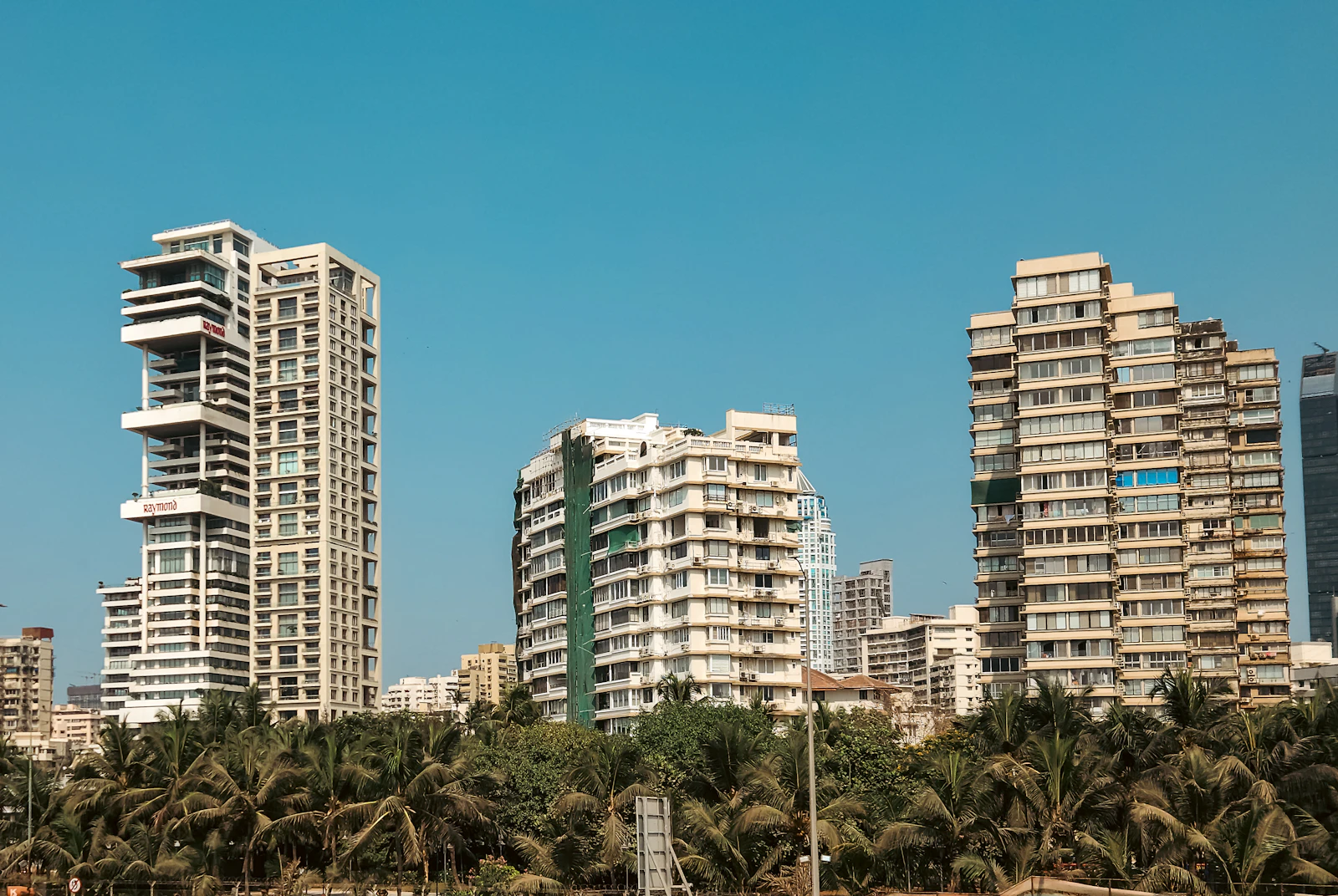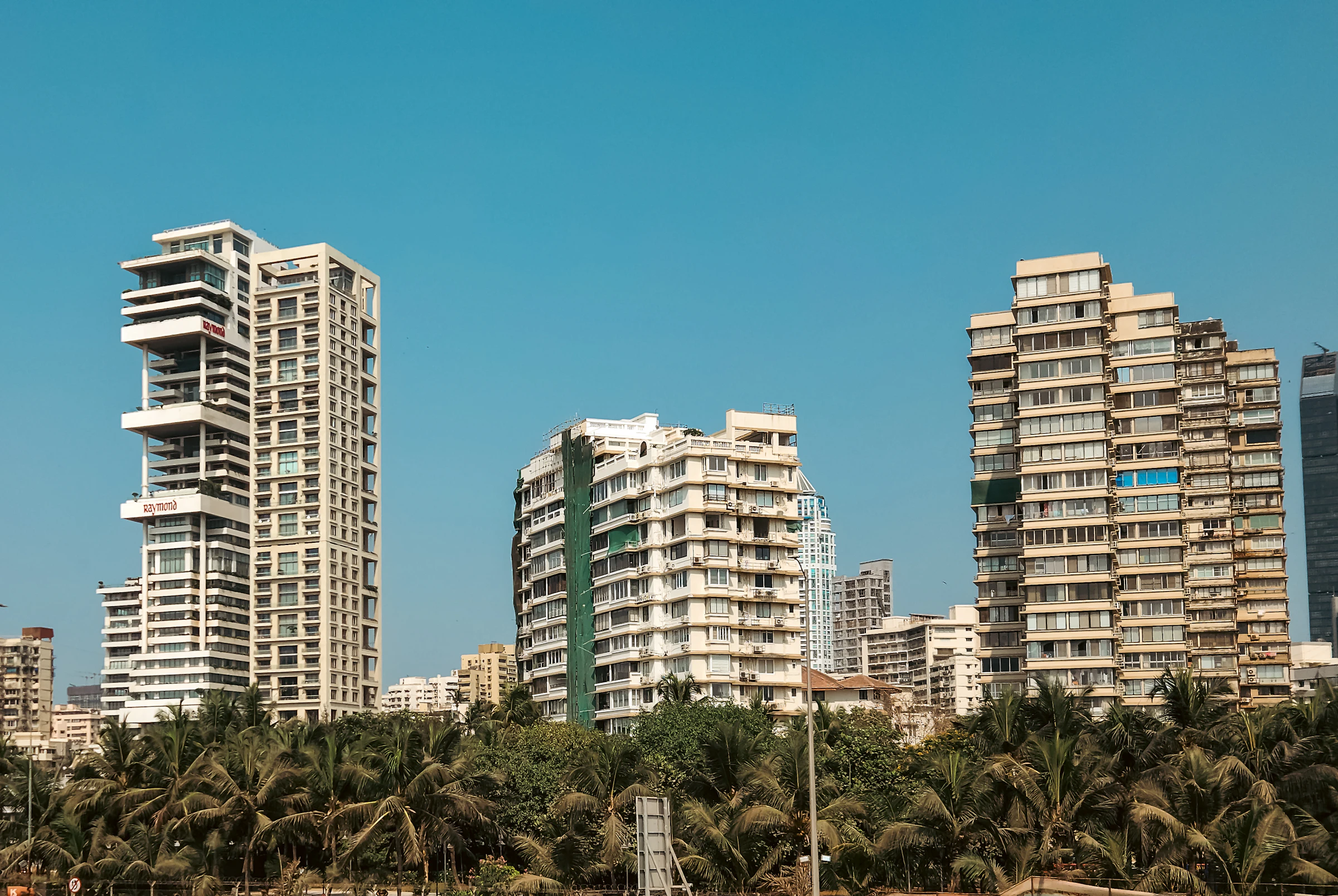
Sea-facing Mumbai high-rise at dusk
Service Profile · uPVC Windows & Doors

Salt air. Highway noise. Neither, inside.

A 5-chamber uPVC window-and-door system, double-glazed, on multi-point German hardware. Specified for sea-facing flats, AC-critical bedrooms, and the road-facing windows that have to keep the highway out.

Profile
5-chamber uPVC
Depth
70 / 88 mm
Glazing
24 mm DGU
Sound
32 dB+
Salt air
Rated
Warranty
10-yr profile
Scroll
Chapter 01 · The Problem

Three answers that
aluminium can’t solve.

A sea-facing flat in Worli, a child’s bedroom on the Western Express Highway, a recording room in a Bandra apartment. Three briefs where aluminium — slim or domal — gives the wrong answer. Salt air pits the frame. Single glazing leaks AC and noise. The client refuses to replace the windows again in a decade.

uPVC isn’t the default in Mumbai — it’s the right answer for the brief aluminium quietly fails.
i.

Sea-facing aluminium

Pits and corrodes faster than the inland flat. The powder coat lifts at the meeting stile by year six. The window starts to look tired before the rest of the flat does.

ii.

Single-glazed aluminium on a highway

AC efficiency lost through every metre of single glass. Outside noise — highway, helipad, school yard — penetrates the bedroom and the family stops sleeping with the window facing the road.

iii.

Wood-frame against monsoon

Right insulation, wrong material. Swells, warps, peels. Re-painting every five years is a four-day site disruption that nobody wants.

iv.

The fourth answer

A 5-chamber uPVC profile with a galvanised-steel reinforcement core, 24 mm DGU, multi-point German lock gear, EPDM seal. Salt-air rated, 32 dB+ acoustic, 10-year profile warranty. The window the client doesn’t replace.

Chapter 02 · How it works

Four parts.
Zero rust path.

01

A 5-chamber uPVC profile

Veka- or Deceuninck-class extrusion, 5 air chambers across the section depth. The chambers break thermal conduction and acoustic transmission — the reason a uPVC window outperforms a single-skin aluminium one on AC and sound.

02

Galvanised steel reinforcement core

A galvanised-steel core inside every vertical and horizontal — uPVC alone is too flexible for tall openings. The steel never sees the outside air, so salt-air corrosion has no path in.

03

A 24 mm DGU and multi-point German hardware

Double-glazed unit — two panes of toughened glass with an argon-fillable air gap. Sealed in EPDM. Multi-point German lock gear (Roto, Maco or G-U) compresses the gasket at three or five points, which is what gives the window its acoustic and weather seal.

No metal frame in the salt air.
No single-glazed pane.
No vinyl gasket hardening at year three.

The system is designed against the three failure modes that retire a Mumbai sea-facing window early. None of them have a path into this profile.

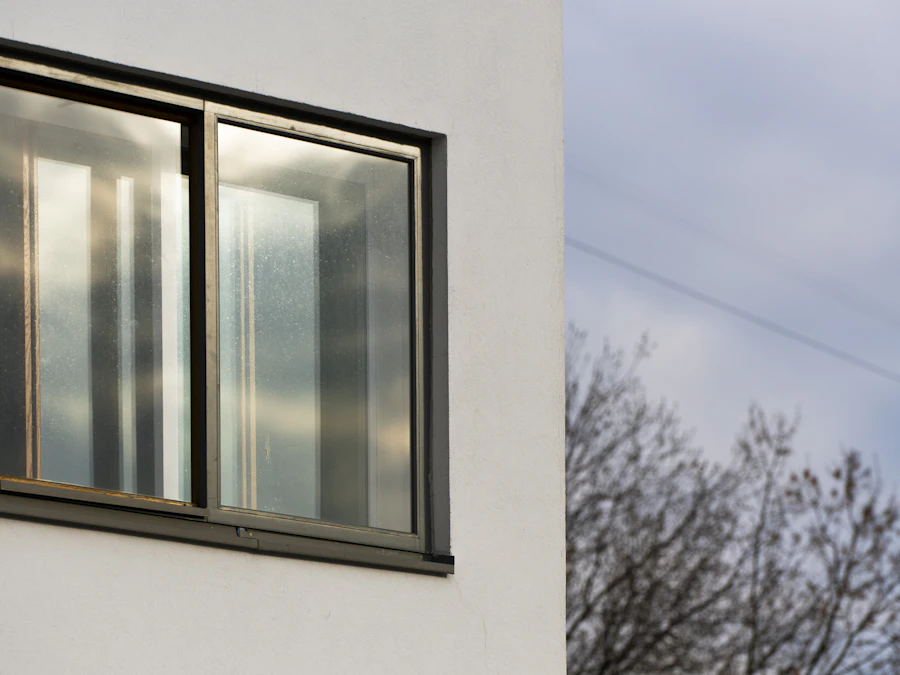
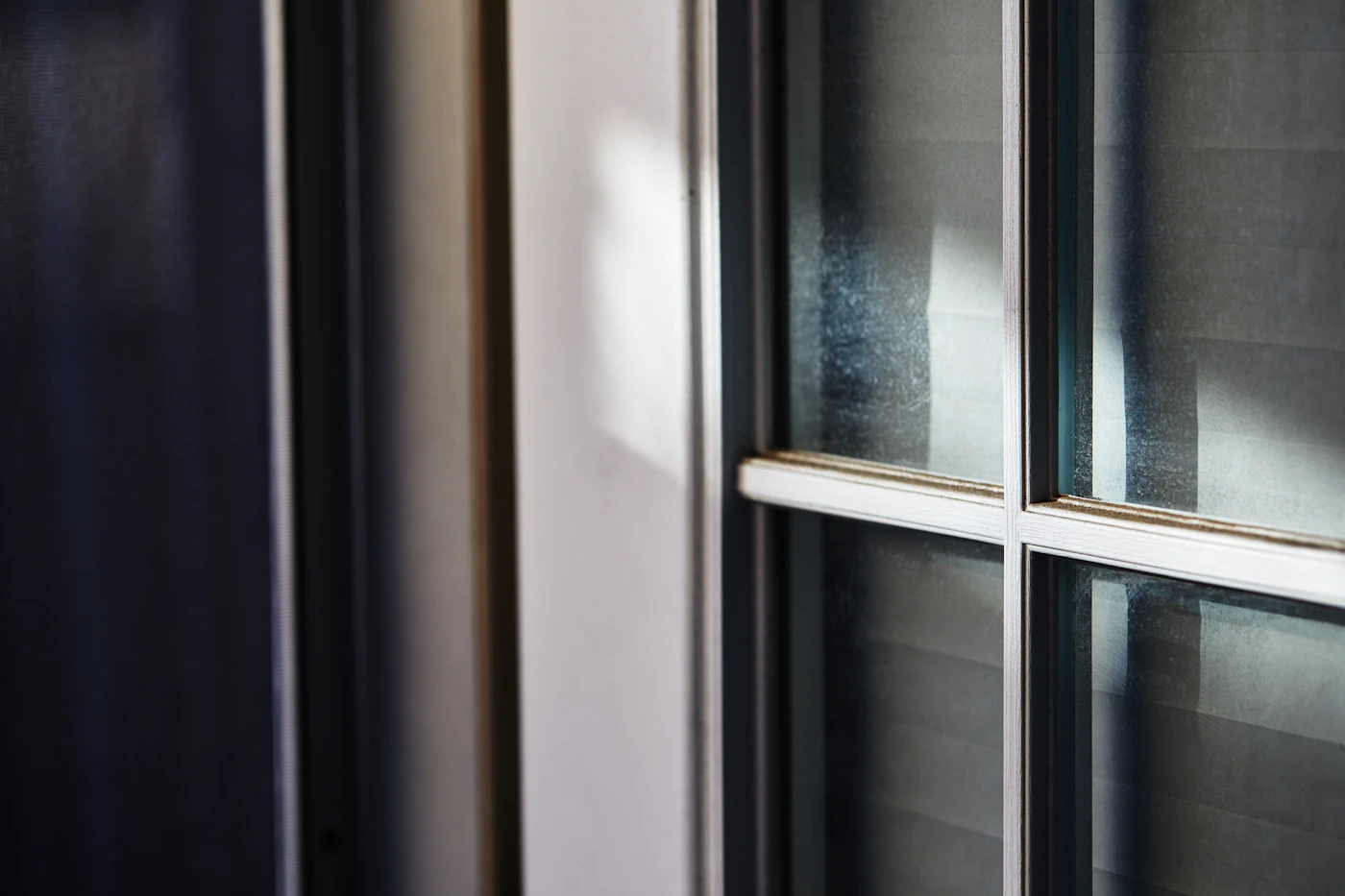
uPVC window detail with double-glazed unit
Profile detail · 5-chamber, DGU, EPDM seal
Chapter 03 · Material

What it’s made of.
Down to the steel core.

A uPVC window is the sum of three specifications — the profile, the steel inside it, and the glass unit. We specify each to a European-system standard. The hardware is German. The glass is BIS 14900 toughened. The seal is EPDM, not vinyl.

uPVC window frame profile detail
Material 01

The profile — 5-chamber uPVC.

Veka or Deceuninck extrusion, 70 mm system depth as standard, 88 mm where a heavier acoustic spec is asked for. UV-stabilised for tropical sun, white standard, foiled finish (woodgrain, anthracite, RAL) on request.

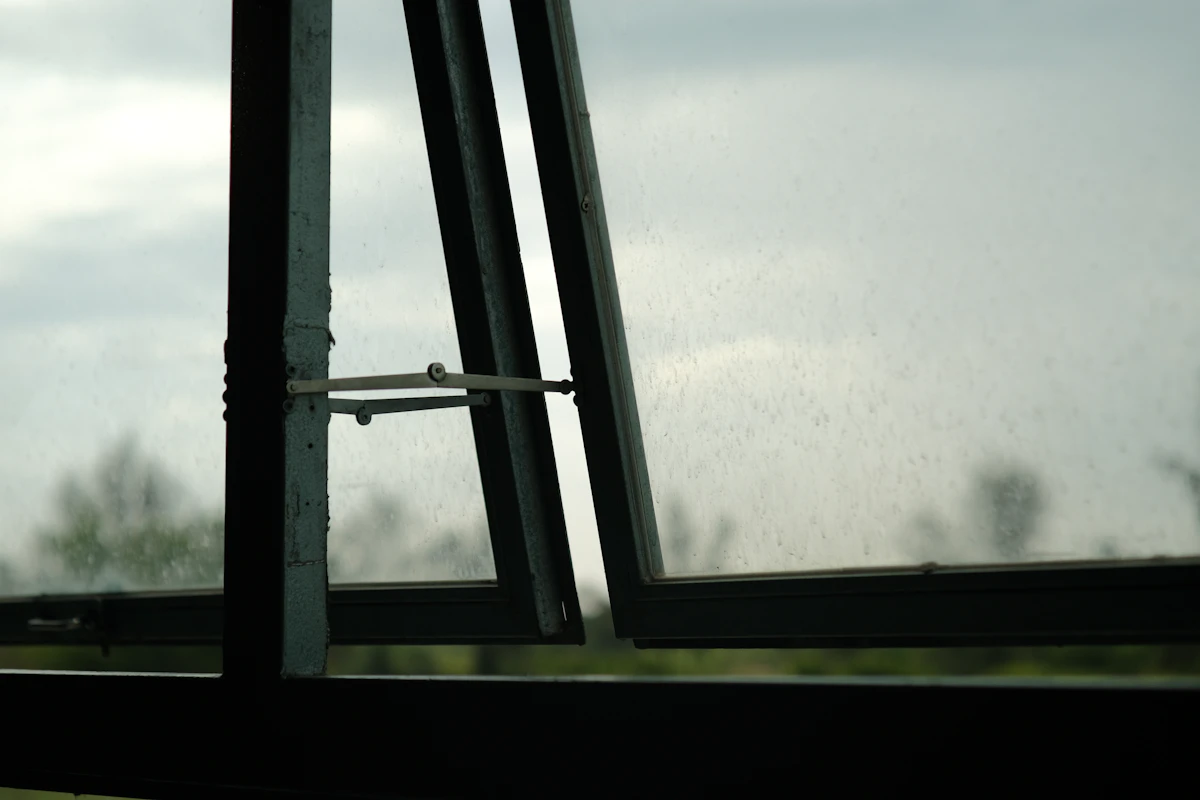
German multi-point lock hardware close-up
Material 02

The hardware — German multi-point.

Roto, Maco or G-U lock gear. Three- or five-point locking that pulls the sash tight against the EPDM seal at every point — that’s what gives the window its 32 dB+ acoustic rating. Tilt-and-turn sash where the brief asks for it.

Double-glazed unit edge detail
Material 03

The glass — 24 mm DGU.

Double-glazed unit: 5 mm toughened outer + 12 mm air gap + 5 mm toughened inner. Argon-fill option for AC-critical rooms. EPDM gasket all the way around. The DGU is what carries the thermal and acoustic performance — the profile alone doesn’t.

Chapter 04 · Where it’s installed

Real flats.
Real sea air. Real noise.

Sea-facing flats in Worli, Cuffe Parade, Bandstand and the Juhu beach line. Road-facing bedrooms on the Western Express Highway. Studio and recording rooms in Bandra. AC-critical bedrooms where the family wants to sleep with the AC at a lower setting.

Sea-facing Mumbai apartment building
Sea-facing · Worli

The most common install.

A whole-flat uPVC replacement on a sea-facing high-floor — every bedroom, the living room and the study. Foiled-anthracite outside, white inside, 24 mm DGU, multi-point German hardware. Salt air doesn’t touch the steel.

Bedroom window facing a Mumbai highway
Road-facing · WEH

Bedroom on the highway

Recording room with acoustic uPVC window
Recording room · Bandra

88 mm acoustic spec

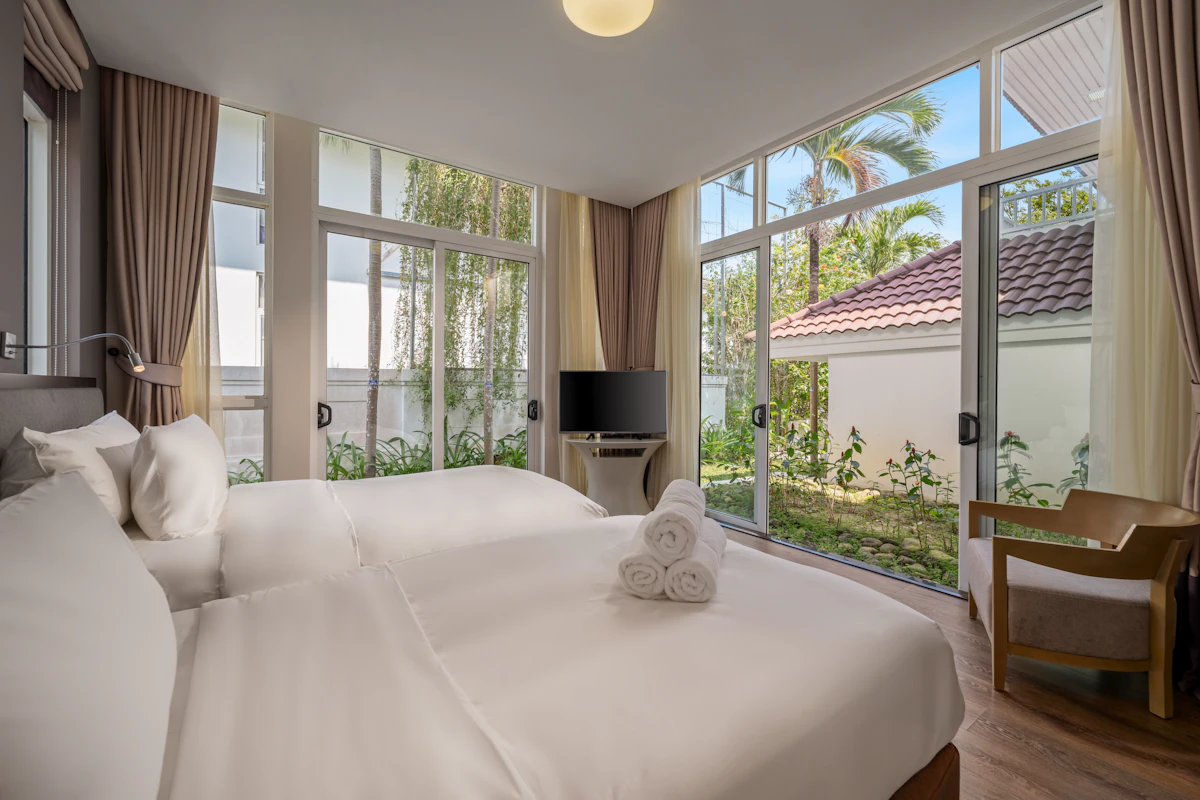
AC-cooled bedroom with double-glazed window
AC bedroom · Powai

Argon-filled DGU

Child's bedroom with safe tilt-and-turn window
Child bedroom · Juhu

Tilt-and-turn safe

Coastal Mumbai apartment at dusk
Beach line · Versova

Salt-air full-flat

South Mumbai high-rise residential tower
South Mumbai · Cuffe Parade

Where aluminium has already failed once and the family won’t do it again

Chapter 05 · Comparison

A direct read on the
seven decisions that matter.

Slim 16×45 aluminium
27×65 domal aluminium
Aditi uPVC System
Salt-air corrosion
Pits at meeting stile yr 6
Pits earlier
Zero rust path — uPVC + galvanised core
Sound reduction
~22 dB single-skin
~22 dB single-skin
32 dB+ with 24 mm DGU
AC thermal performance
Heat transfer through metal
5-chamber + DGU thermal break
Locking gear
Single-point cam
Single-point latch
Multi-point German (3 or 5)
Profile warranty
Powder-coat 7 yr typical
7 yr typical
10-yr written profile warranty
Mosquito mesh
3rd-track add-on
3rd-track add-on
Integrated cassette mesh from day one
Best fit
Slim sightline brief
Standard window brief
Sea-facing, AC-critical, noise-sensitive
Chapter 06 · Benefits

The window the family
doesn’t replace.

Zero-rust in salt air.

The 5-chamber uPVC doesn’t corrode. The galvanised steel reinforcement core never sees the outside air. A sea-facing flat in Worli stops being a window-replacement-every-decade conversation.

32 dB+ sound reduction.

A 24 mm DGU on a multi-point-locked uPVC sash drops outside noise by 32 dB or more. Highway, helipad, school yard, train line — the bedroom is quiet enough to sleep with the AC at 22°C.

DGU thermal break for AC.

Two panes of toughened glass and a 12 mm air gap (argon-fillable). The room hits the AC setpoint faster, the compressor cycles less, the bill drops. Real numbers, not catalogue ones.

Multi-point German locking.

Roto, Maco or G-U lock gear pulls the sash tight against the EPDM seal at three or five points. That compression is what gives the window its acoustic and weather rating — single-point locks can’t carry the spec.

10-year written profile warranty.

Veka- and Deceuninck-class profiles ship with a 10-year written warranty against UV degradation, yellowing and structural failure. The hardware carries its own German manufacturer warranty.

EPDM seal that stays soft.

EPDM gasket all the way around the sash. Stays flexible through ten Mumbai monsoons; vinyl, which lower-grade systems use, hardens and cracks in three. Replacing the EPDM is a service call, not a refit.

Integrated mosquito mesh.

Mesh is part of the system from day one — a slim cassette mesh on the inside of the sash, or a sliding mesh panel on a third channel. Not a bolt-on aftermarket frame screwed into the elevation later.

A single-supplier source.

For a sea-facing flat where every window is being replaced — bedroom, living room, kitchen, study — one workshop, one BOQ, one snag list. The site coordinates against one fabricator, not three.

Designer-direct.

Suraj reads the drawing. No franchise, no call-centre, no rep filtering technical questions. The relationship is the brand.

Chapter 07 · Common questions

The questions a designer
asks before the quote.

Three briefs, mainly. Sea-facing flats — the salt air retires aluminium powder coat early. Road-facing bedrooms or studios where outside noise matters and a 32 dB+ acoustic rating is the brief. AC-critical rooms where the DGU thermal break pays back through the electricity bill. For everywhere else, slim 16 × 45 or 27 × 65 aluminium is usually the right answer.
White out-of-the-box uPVC has a reputation, fairly. We specify foiled finishes — anthracite, RAL grey, woodgrain — and 88 mm system depths where the brief reads architectural rather than utilitarian. The window stops looking like the catalogue and starts reading like the moodboard.
No. The reinforcement is galvanised and sits inside a sealed uPVC chamber that never opens to the outside air. Salt-air corrosion is an open-metal problem. uPVC has no open metal.
32 dB+ on a 24 mm DGU with multi-point locking and EPDM compression. For a recording room or a bedroom on a busy road, we step up to an 88 mm profile and a 36 mm DGU with an acoustic interlayer — that gets to 38–42 dB. Send the noise environment and we’ll specify.
No. The market is full of low-grade extrusions with thin walls, no UV stabiliser, no galvanised core, and unbranded hardware. We specify Veka- or Deceuninck-class profiles, German hardware, BIS-toughened glass and EPDM seals — written warranties on each, not catalogue claims.
18–22 working days from drawing approval to install for a typical 3 BHK whole-flat replacement. uPVC profiles are made-to-order — the lead time on the profile and the DGU is the bottleneck, not the install itself.
Pricing depends on profile depth (70 vs 88 mm), DGU thickness, finish (white vs foiled) and hardware spec. Send the room-by-room dimensions and we’ll quote within three working days. Whole-flat enquiries are quoted as a single BOQ.
Send the drawing

Send the drawing.
We’ll quote in three days.

No site-visit fee. No call-centre. No quote written before measurement. Suraj reads the drawing himself, walks the site within 48 hours of enquiry, and signs off the shop drawing before fabrication begins.

For a sea-facing or whole-flat replacement, the BOQ is staged room-by-room so the family can stay in the flat through the work — never two openings open at once, never a bedroom without a window overnight.

Workshop
Santacruz (East), Mumbai
aditi enterprise · Aluminium fabricators for Mumbai's interior designers, architects and HNI residences.
© 2026 · All rights reserved