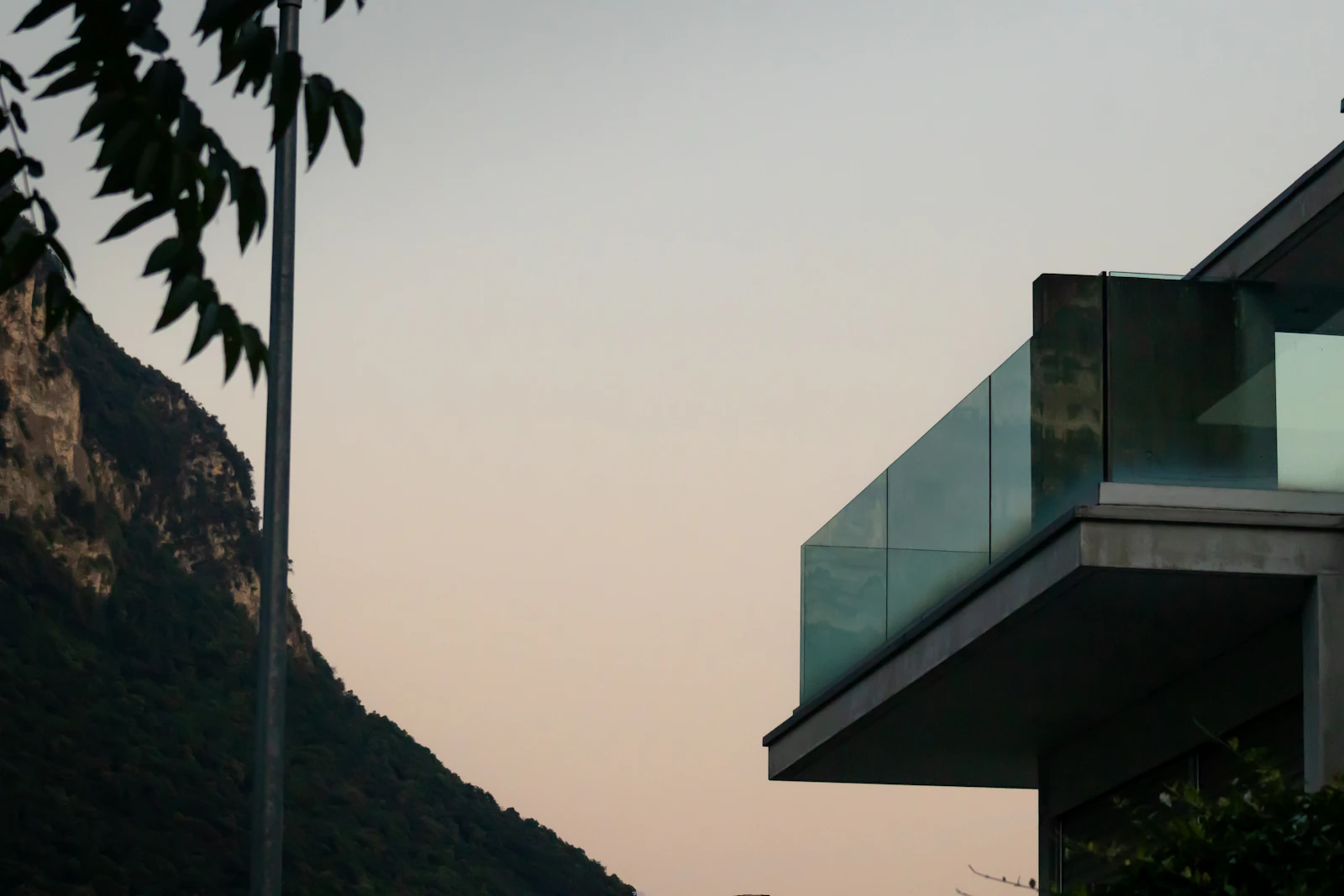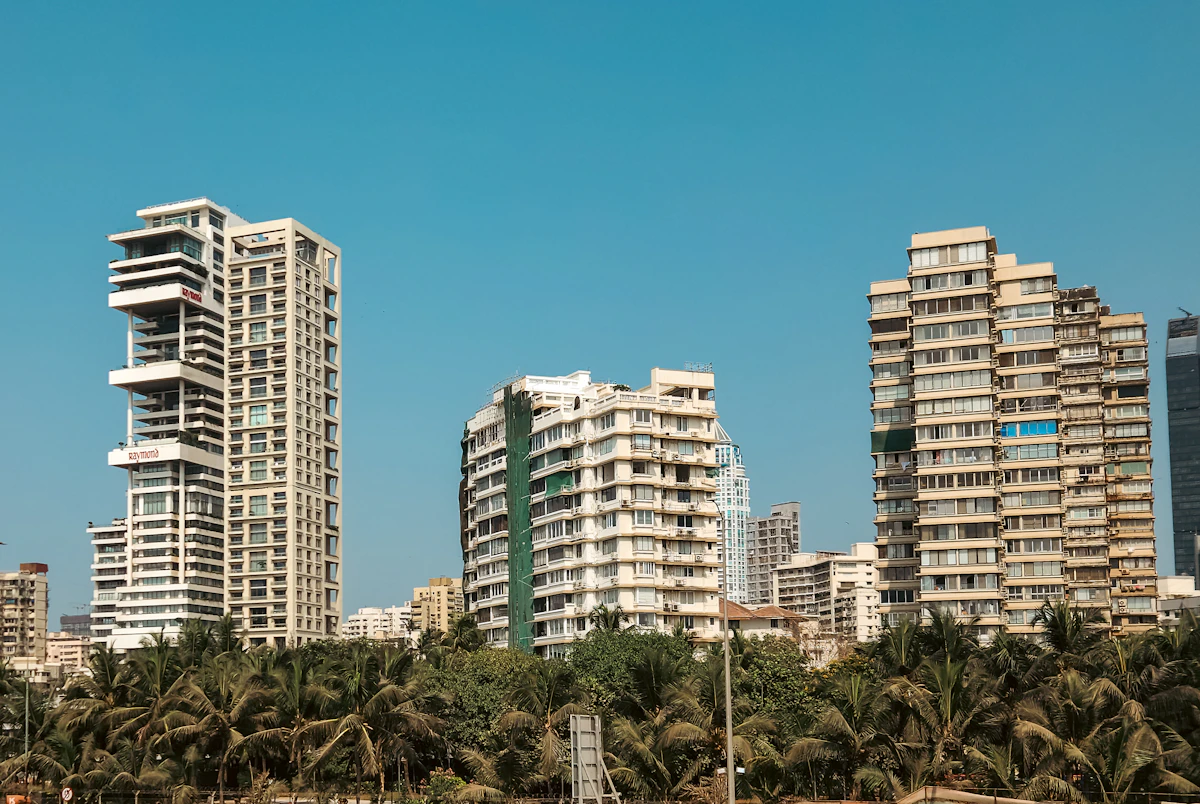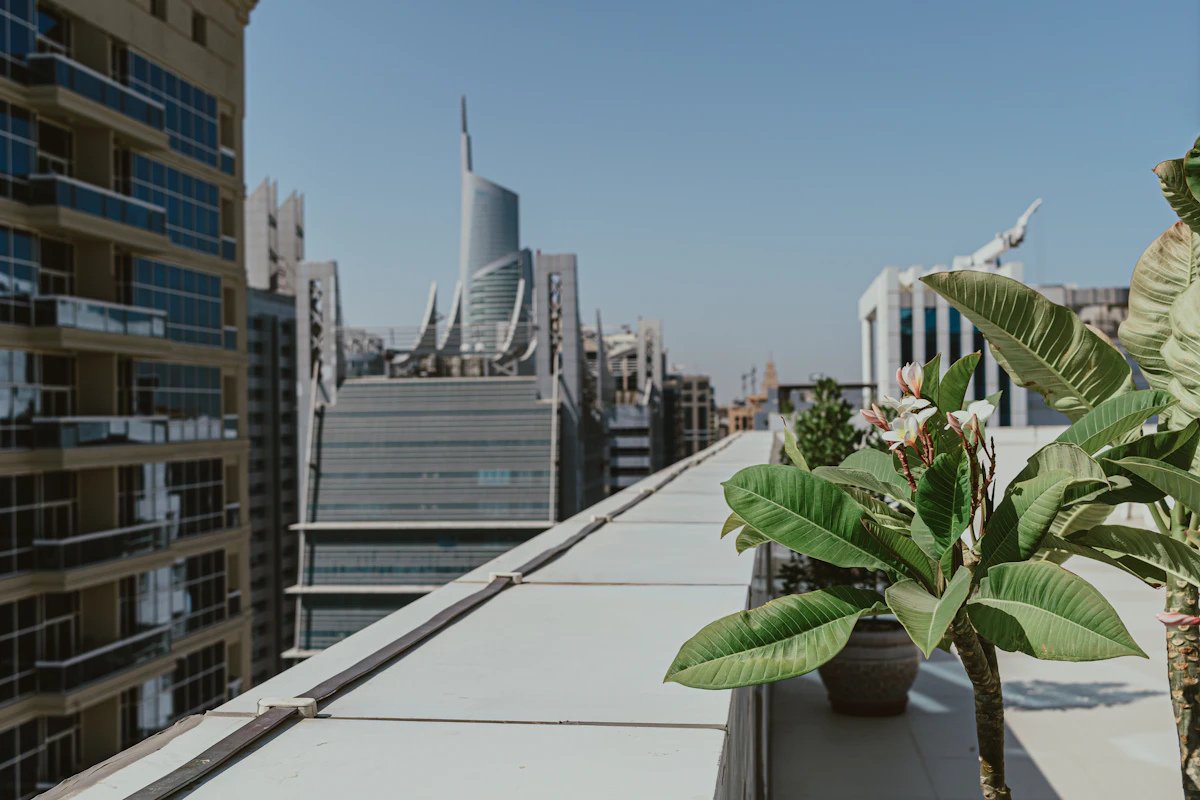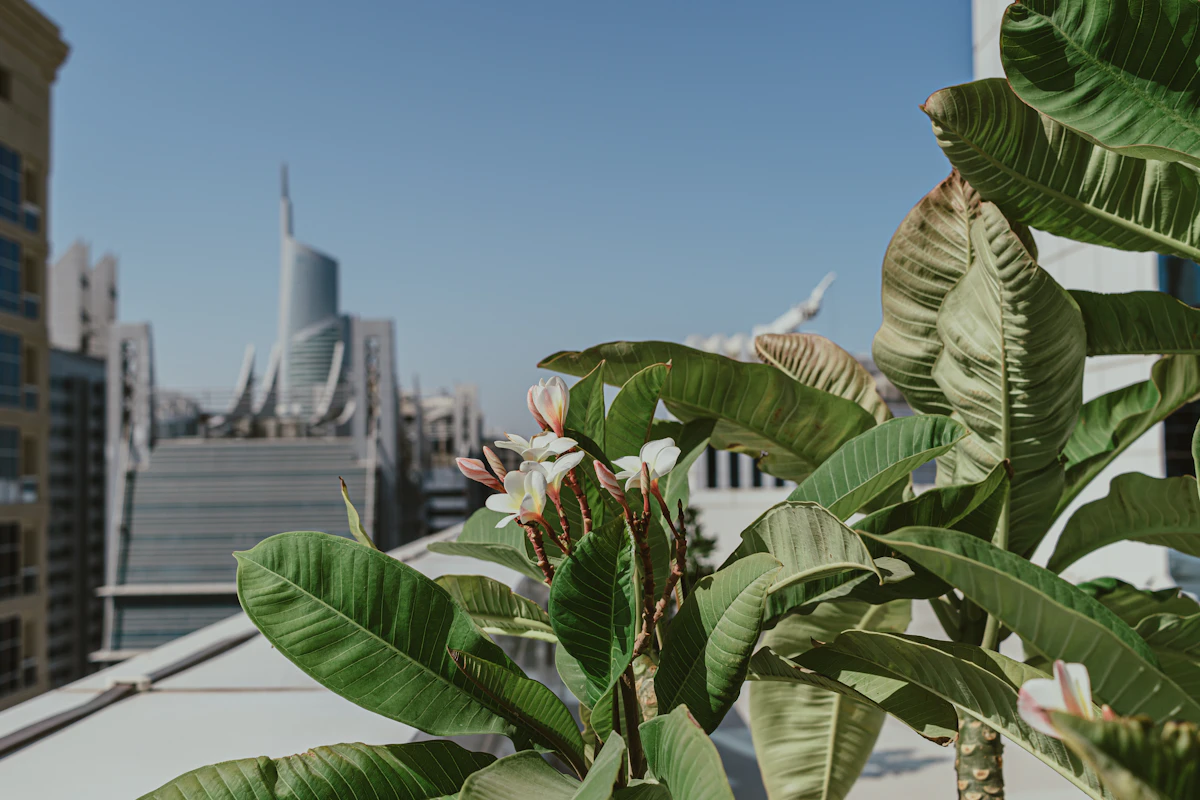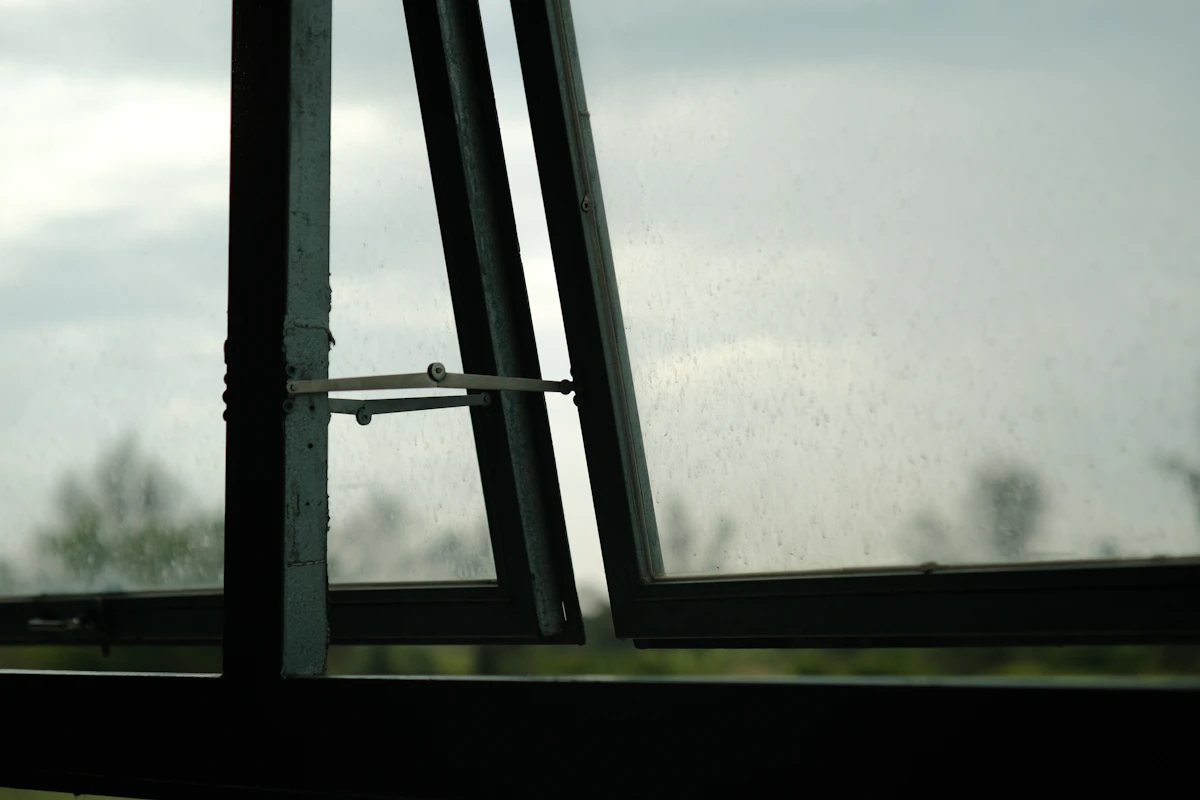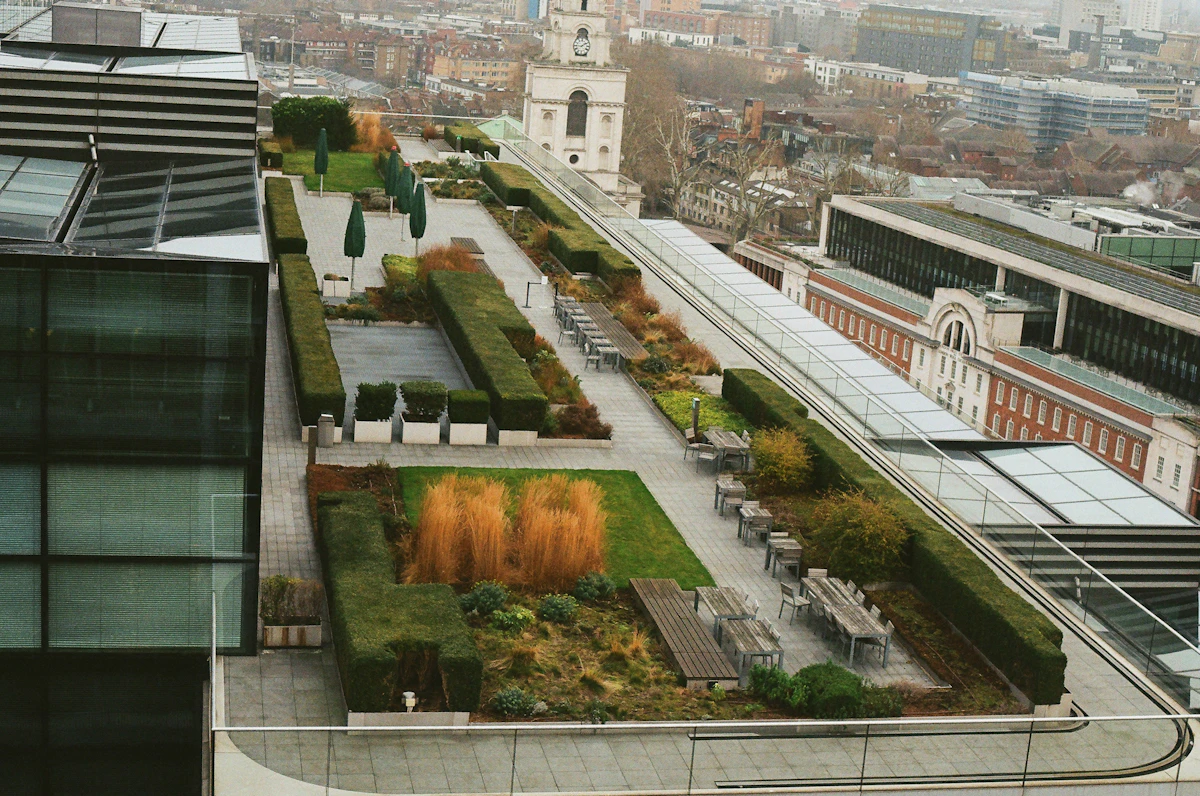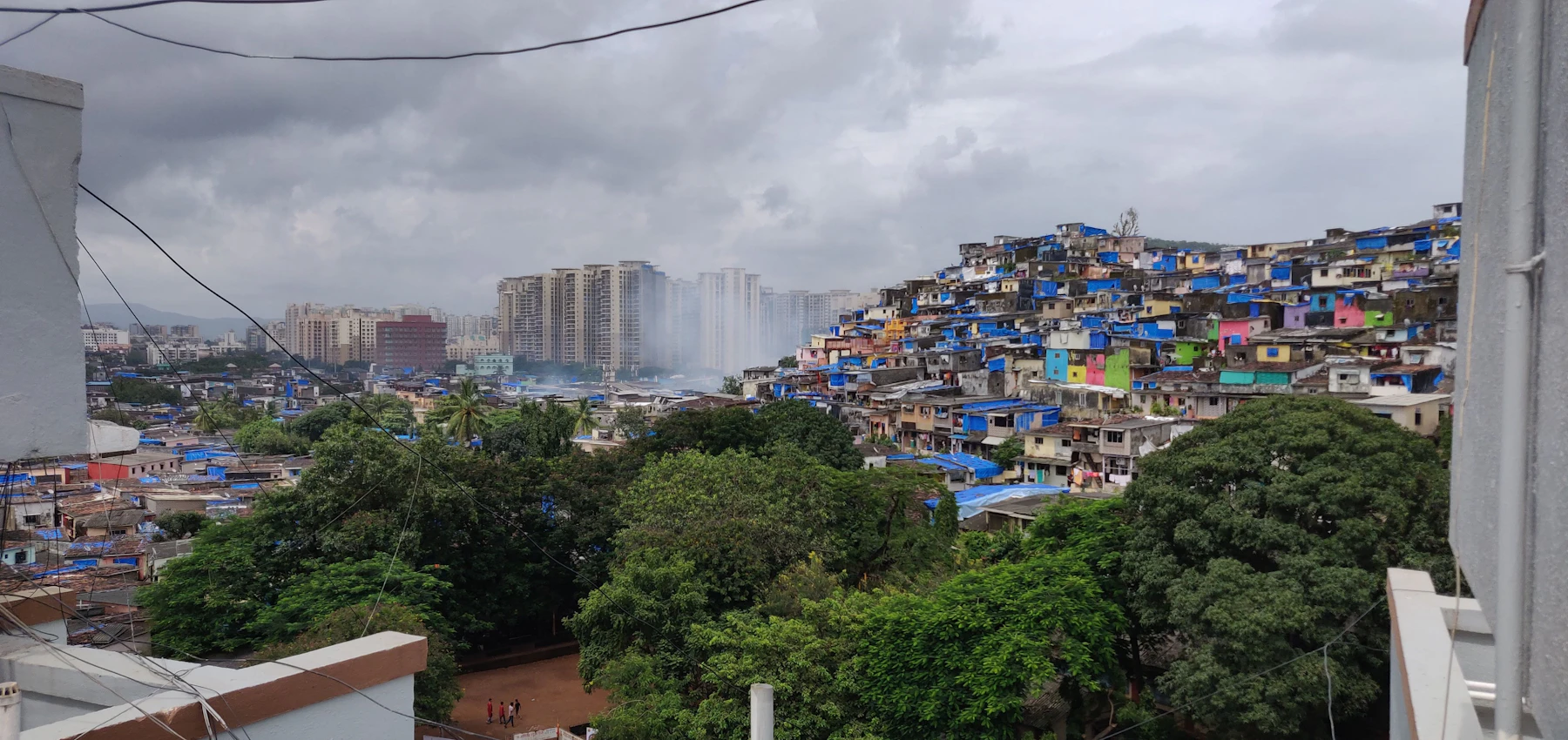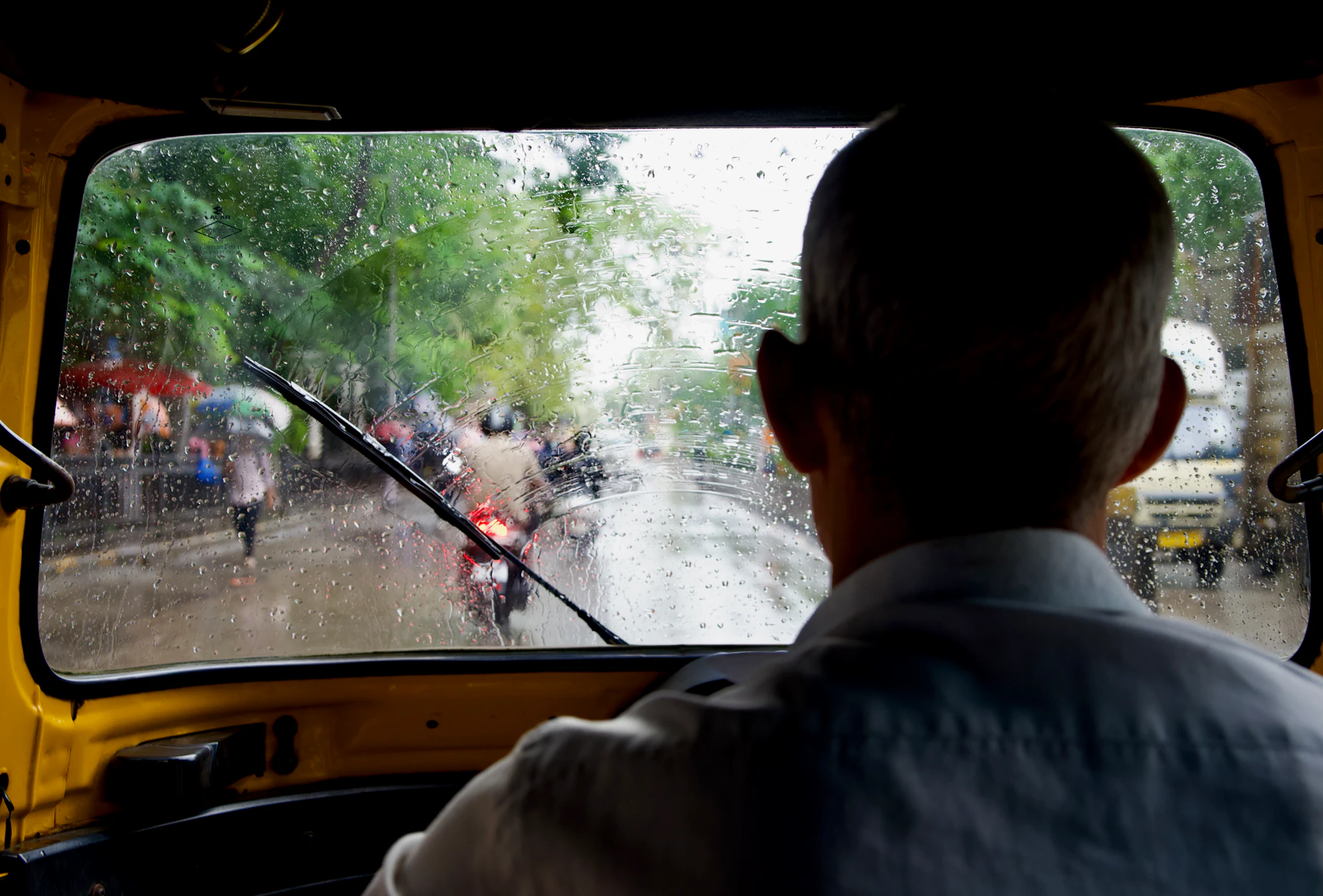
Mumbai monsoon rain over a high-rise balcony
Service Profile · Monsoon Blinds

A balcony you can use. In June.

A 0.5 mm transparent PVC sheet that rolls down between two slim aluminium side guides. Drops in seconds when the squall hits, rolls back into a clean top box once the rain passes. The balcony stays the balcony — through four months of monsoon.

PVC sheet
0.5 mm
Side guide
Slim alu
Max width
Up to 4.5 m
Max drop
Up to 3 m
Operation
Manual / 24V motor
Sheet life
5+ years
Scroll
Chapter 01 · The Problem

Four months of the year,
the balcony belongs to the rain.

A typical Mumbai apartment — the balcony was the reason the family bought the flat. Then June arrives, the wind shifts, and the rain comes in horizontal. Pots topple. Flooring stains. The sliding door behind it is splashed every twenty minutes. By July, nobody steps out.

It is the difference between a balcony you photograph in March and a balcony you actually use in July.
i.

Toughened-glass railing

Beautiful in February, useless in July. The wind drives the rain over the top and around the sides — the floor still floods.

ii.

Bamboo chick blinds

Two monsoons and they rot. Three, and the cane stains the wall behind them. By year four they look improvised on the elevation.

iii.

Or simply box it in

A permanent glass enclosure kills the balcony. Society approval is a fight. And the family wanted a balcony, not a small extra room.

iv.

The fourth answer

A transparent PVC sheet on slim aluminium side guides. Rolls down for the squall, rolls up the moment the rain stops. The balcony stays a balcony.

Chapter 02 · How it works

Three parts.
Nothing permanent.

01

A top box on the slab soffit

A clean 100 × 100 mm aluminium top box, anodised or powder-coated to match the elevation. Houses the roller, the spring tension and — on motorised installs — the 24V tubular motor.

02

Two slim side guides

Aluminium 6063-T6 channels, 25 to 32 mm wide, run floor-to-soffit on either side of the opening. The PVC sheet locks into them — no flap, no gap, no rain getting around the edge.

03

A nylon-roller bottom rail

A weighted aluminium bottom rail with sealed nylon end-rollers. Pulls the sheet down by hand, or runs on a wall-switch / remote on the motorised version. Stays put at any drop height.

No permanent enclosure.
No society fight.
No carpentry on the parapet.

October arrives, the sheet rolls fully into the top box, and the balcony is open again. Nine months a year, you forget the system is there.

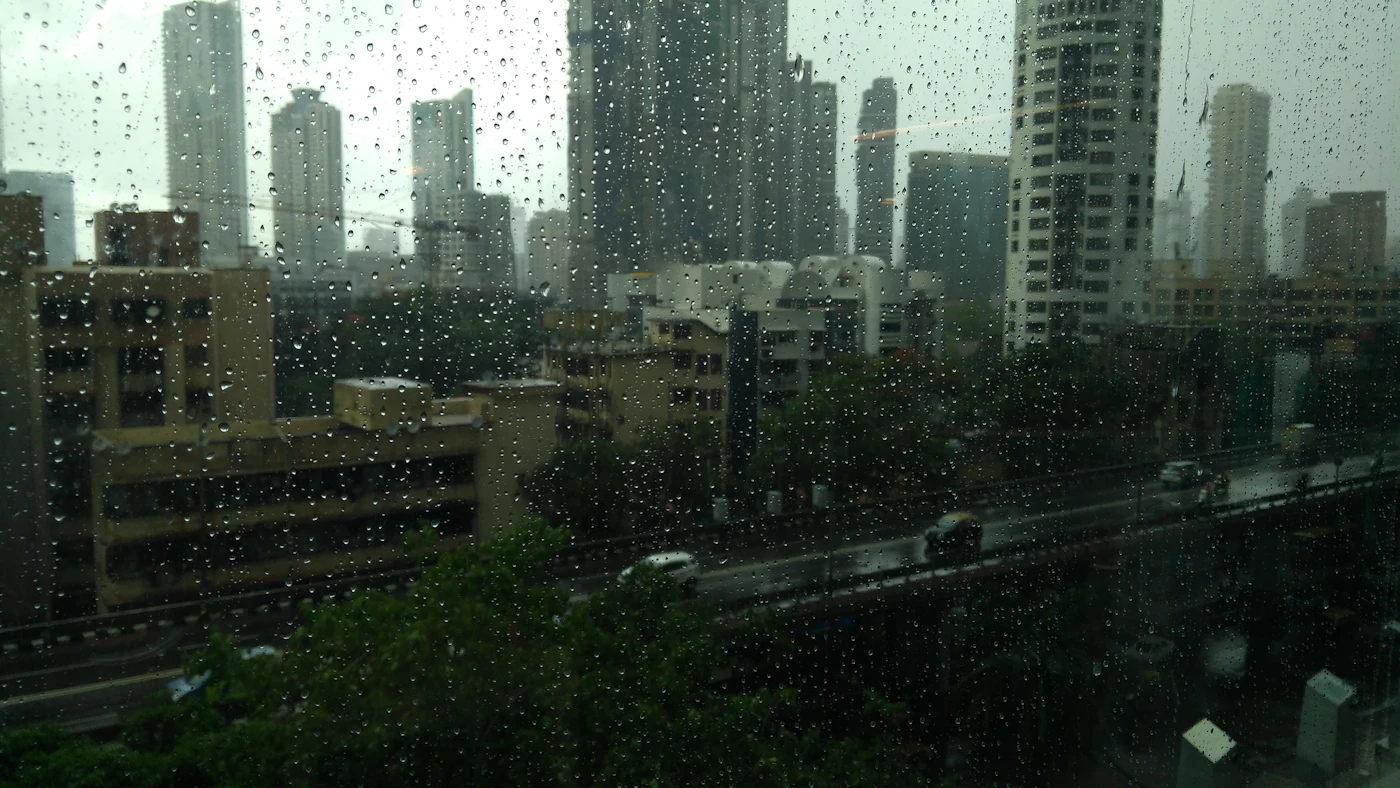
Heavy monsoon rain over a Mumbai apartment
Side guide detail · Top box housing
Chapter 03 · Material

What it's made of.
Down to the side seal.

Specified for Mumbai monsoon — a wind-driven rain few materials are honest about. Sheet from a tested run, frame from the same alloy family as our window systems, every fastener stainless. The blind has to last through the season most products quietly fail.

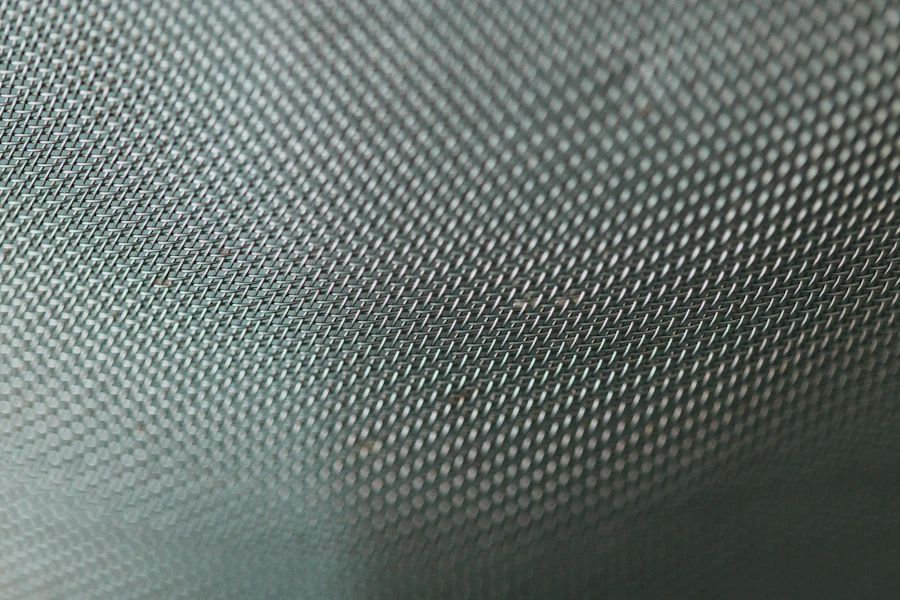
Translucent sheet material close-up
Material 01

The sheet — 0.5 mm PVC.

Transparent or smoke-tinted polyvinyl, calendered to a true 0.5 mm — not the 0.35 mm most retail blinds run. Indian (UV-stabilised) as standard; German sheet for sea-facing flats. Resists the salt and the heat for at least five seasons.

Aluminium frame profile detail
Material 02

The frame — architectural aluminium.

6063-T6, the same alloy family as our slim-section windows. Anodised silver, champagne, black — or powder-coat to any RAL. The top box and side guides match the window system on the same elevation, not a separate accessory bolted onto it.

Stainless steel hardware detail
Material 03

The hardware — all stainless.

SS 304 fasteners, sealed nylon rollers, neodymium-magnet bottom-rail latches. The motor (when specced) is a 24V Somfy or equivalent, IP44 rated. No MS bolts above the sheet, nothing that streaks rust down a freshly painted parapet.

Chapter 04 · Where it's installed

Real homes.
Real balconies. Real rain.

Apartment balconies in Bandra, Juhu, Worli, Khar, Lower Parel and Powai. Sea-facing flats. Roof terraces of bungalow-floor units. Verandahs and courtyard pavilions. Anywhere a family wants the balcony usable through the four months when the city otherwise gives it up.

Modern Mumbai balcony with sliding door
Balcony · Bandra

The most common install.

Single-bay or double-bay roll-up across a 3–4.5 m balcony, side-guided floor to soffit. Specced as a sister to a (2+2) Synchronous Sliding Door so the balcony stays usable even when the rain is sideways.

Mumbai sea-facing high-rise
Sea-facing · Worli

Smoke-tinted, salt-rated

Open rooftop terrace
Roof terrace · Khar

Motorised, 3 m drop

Outdoor terrace and seating
Verandah · Juhu

Bungalow ground-floor

Slim aluminium sliding door
Sliding door · Lower Parel

Paired with the slim 16 × 45

Outdoor patio with planting
Patio · Powai

Three-bay, single span

Mumbai high-rise residential elevation
High-rise · Lower Parel

Tall openings on motor — single switch from inside

Chapter 05 · Comparison

A direct read on the
seven decisions that matter.

Bamboo chick blind
Toughened-glass railing
Aditi Monsoon Blind
Stops wind-driven rain
Partially — sheet not sealed
No — rain comes over the top
Yes — sealed in side guides
Visual when rolled up
Bulky cane bundle
Always present
Disappears into 100 mm top box
Monsoon ageing
Rots in 2 monsoons
Salt-pits over time
5+ year sheet life
Society approval
Often refused
Heavy structural sign-off
Pre-approved by most societies
Operation in a squall
Tied off by hand
Drops in 30 seconds, manual or motor
Privacy at dusk
Yes — but always
No
Smoke-tint, only when rolled down
Removable for renovation
Discarded
Permanent install
Side guides unbolt in a day
Chapter 06 · Benefits

A small system that quietly
changes four months of the year.

The balcony stays usable in monsoon.

A sealed PVC sheet running in side guides actually stops the wind-driven rain — the rain that makes a balcony unusable from June to September. Pots survive. Flooring stays dry. The slider door stops getting splashed every twenty minutes.

Disappears nine months of the year.

October arrives, the sheet rolls fully into a clean 100 mm top box, and the balcony is open again. Unlike a glass enclosure, there is no permanent visual cost outside the season.

Smoke-tint when privacy matters.

On close-set Mumbai balconies, a 30% smoke-tint sheet gives privacy from the neighbour without darkening the room behind it. Daylight passes; sightlines do not.

Motorised for tall openings.

Anything over 2.4 m drop is awkward to operate by hand. We spec a 24V tubular motor, wall-switch or remote, so a 3 m drop is one button — not a step-stool.

Matches the window system.

The top box and side guides are anodised or powder-coated to the same RAL as the window system on the same elevation. The blind reads as part of the architecture, not bolted onto it.

Pre-approved by most societies.

Allowed under standard housing society bye-laws as a non-permanent rain screen. Reversible, no structural work, no encroachment on the elevation. We provide a one-page approval letter for the secretary on request.

Five-year sheet life.

0.5 mm UV-stabilised PVC holds clarity through five Mumbai monsoons before it begins to haze. When the time comes, we re-sheet onto the same frame in a single morning. The aluminium goes nowhere.

Operates without fight.

Sealed nylon rollers in the side guide, neodymium catch on the bottom rail. Drops in 30 seconds and stays where you stop it. No tying-off, no rope-and-pulley, no two-person operation in the rain.

Designer-direct.

Suraj reads the drawing. No franchise, no call-centre, no rep filtering technical questions. The relationship is the brand.

Chapter 07 · Common questions

The questions a designer
asks before the quote.

Yes — that is the whole point of the side-guide system. A simple roll-down chick blind has open sides; the wind drives the rain straight through. Our PVC sheet is locked into aluminium side channels floor-to-soffit, so the rain hits the sheet and runs off it. The bottom rail is weighted so it stays sealed.
Transparent for sea-facing flats and high floors where the view is the whole reason the family bought the flat. Smoke-tint (about 30%) for close-set balconies in Bandra and Juhu where the neighbour's balcony is six metres away. We can run mixed bays — clear in the centre, tint on the privacy side.
Manual is fine up to about 2.4 m drop and 3 m width. Above that, we spec a 24V tubular motor on a wall-switch or remote. For a sea-facing high-rise terrace where the slab is high and the squall comes fast, motorised is the only honest answer.
Most do. Monsoon blinds are reversible, non-structural and don't alter the elevation outside the season. We give you a one-page approval letter for the secretary, with the system specification and the reversibility clause clearly stated.
A 0.5 mm UV-stabilised sheet holds optical clarity for around five Mumbai monsoons before it begins to haze. The cheaper 0.35 mm sheet most retail blinds use yellows in two. When ours does eventually haze, we re-sheet onto the existing frame in a morning — the aluminium stays.
Standard runs are straight. For a curved balcony, we usually break it into two or three independent bays meeting at the curve, each with its own top box. Send the drawing — we'll mark the bay lines on it before quoting.
7–10 working days from drawing approval to handover for a typical 3 m balcony. Add 4–5 days for motorised installs and 5–7 days if the sheet is German.
Send the drawing

Send the drawing.
We'll quote by Friday.

No site-visit fee. No call-centre. No quote written before measurement. Suraj reads the drawing himself, walks the site within 48 hours of enquiry, and signs off the shop drawing before we fabricate.

If the balcony is paired with a (2+2) slim slider, mention it — the top box can be detailed as a continuous run with the door head, so the elevation reads as one system.

Workshop
Santacruz (East), Mumbai
aditi enterprise · Aluminium fabricators for Mumbai's interior designers, architects and HNI residences.
© 2026 · All rights reserved