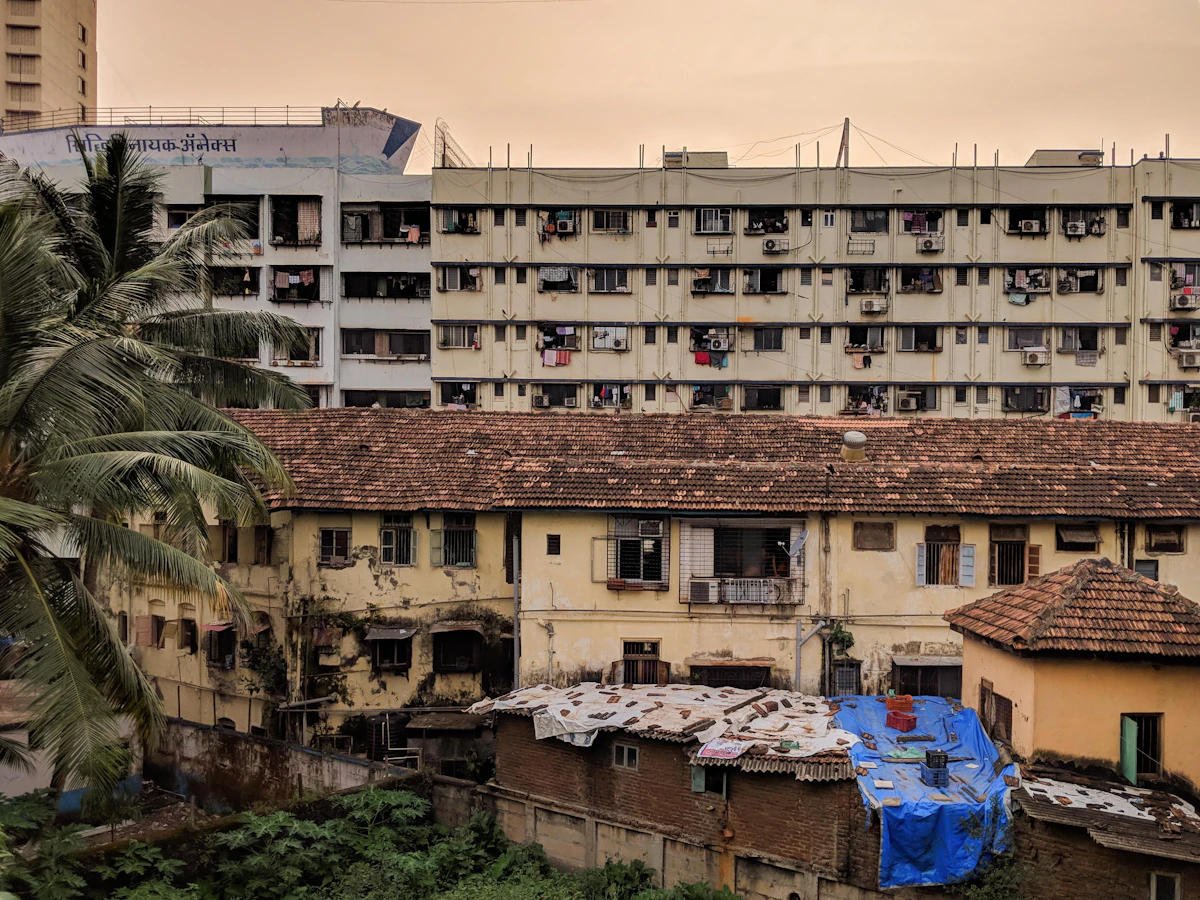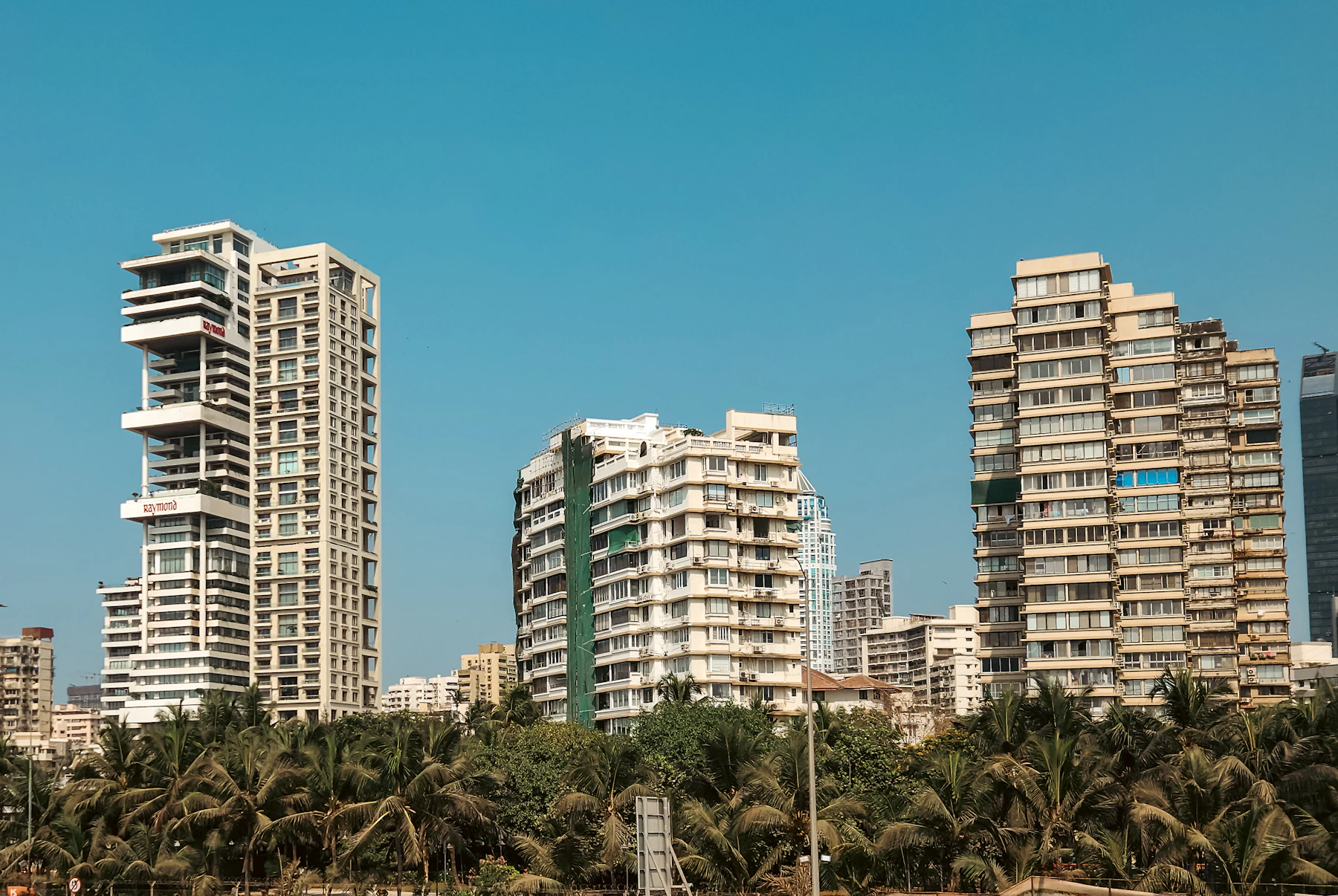
Mumbai high-rise residential facade with chajjas
Service Profile · Bird Spike

Stops the perch. Doesn't hurt the bird.

Stainless-steel pins on a clear polycarbonate base, glued or screwed onto chajjas, parapets and AC outdoor units. Pigeons stop landing. Nothing is harmed. The strip itself is invisible from below — only the bird sees it.

Pins
SS 304
Pin gauge
1.3 mm
Heights
100 / 130 / 150
Strip module
25 cm
Service life
10+ years
Adhesive
Dow 791 silicone
Scroll
Chapter 01 · The Problem

Three answers that quietly
stop working before year two.

Every Mumbai building has the same recurring complaint at the AGM — the AC outdoor units carry a permanent rim of droppings, the parapet copings need cleaning every quarter, the CCTV camera is half-blocked by a nest. The committee tries the cheap thing first. Three times.

It is the only anti-perch system in Mumbai field conditions that still looks new after a decade.
i.

Repellent gel

Sticky for the first two months. Then dust settles into it, the surface dries, and pigeons start treating it as just another perch. Three-month replacement cycle, indefinitely.

ii.

Plastic spike strips

Look the part on day one. Eighteen months of Mumbai sun and the pin tips embrittle, snap off and become litter on the ground floor. The base yellows, the strip becomes visible.

iii.

Or an ultrasonic device

Pigeons habituate inside two weeks. Sparrows ignore it from day one. The unit becomes another piece of dead electronics on the parapet.

iv.

The fourth answer

SS 304 pins on a clear polycarbonate base. The pins don't snap, the base doesn't yellow, the strip outlasts the AC unit it's glued to. The bird leaves. The chajja stays clean.

Chapter 02 · How it works

Two parts.
Nothing mechanical.

01

A clear polycarbonate base

A 25 cm strip of UV-stabilised polycarbonate, 28 mm wide, 4 mm thick. Pre-drilled fixing slots and a flat underside that takes a continuous bead of structural silicone — clean install, no pin-cushion holes in the chajja.

02

SS 304 pins fanned vertically

1.3 mm stainless wire pins, swaged into the polycarbonate base in three rows, fanned outward at angles. Available in 100, 130 and 150 mm heights — taller for crows and ravens, shorter for pigeons and sparrows.

03

Glued, not drilled (when we can avoid it)

On polished granite copings, freshly painted parapets and waterproofed chajjas, we run a continuous bead of Dow 791 UV-grade structural silicone. No drilling, no waterproofing breach, no rust streaks down the elevation. SS screws when the surface won't take adhesive.

No moving parts.
No batteries.
No maintenance.

Once the silicone cures, the strip does its job for ten years without anyone climbing back up to touch it. The bird leaves, finds another building, and the chajja simply stays clean.

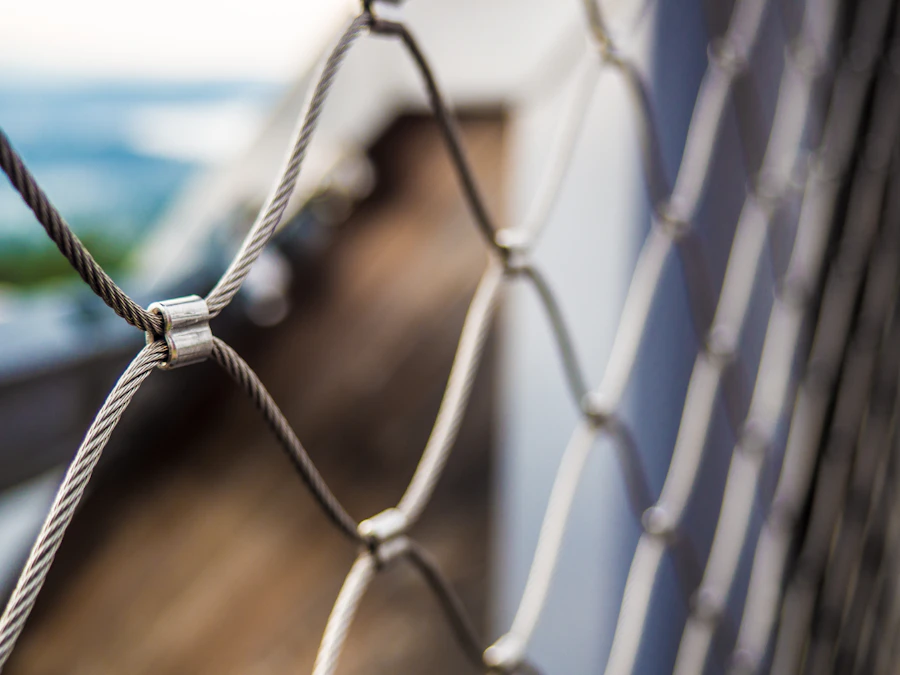
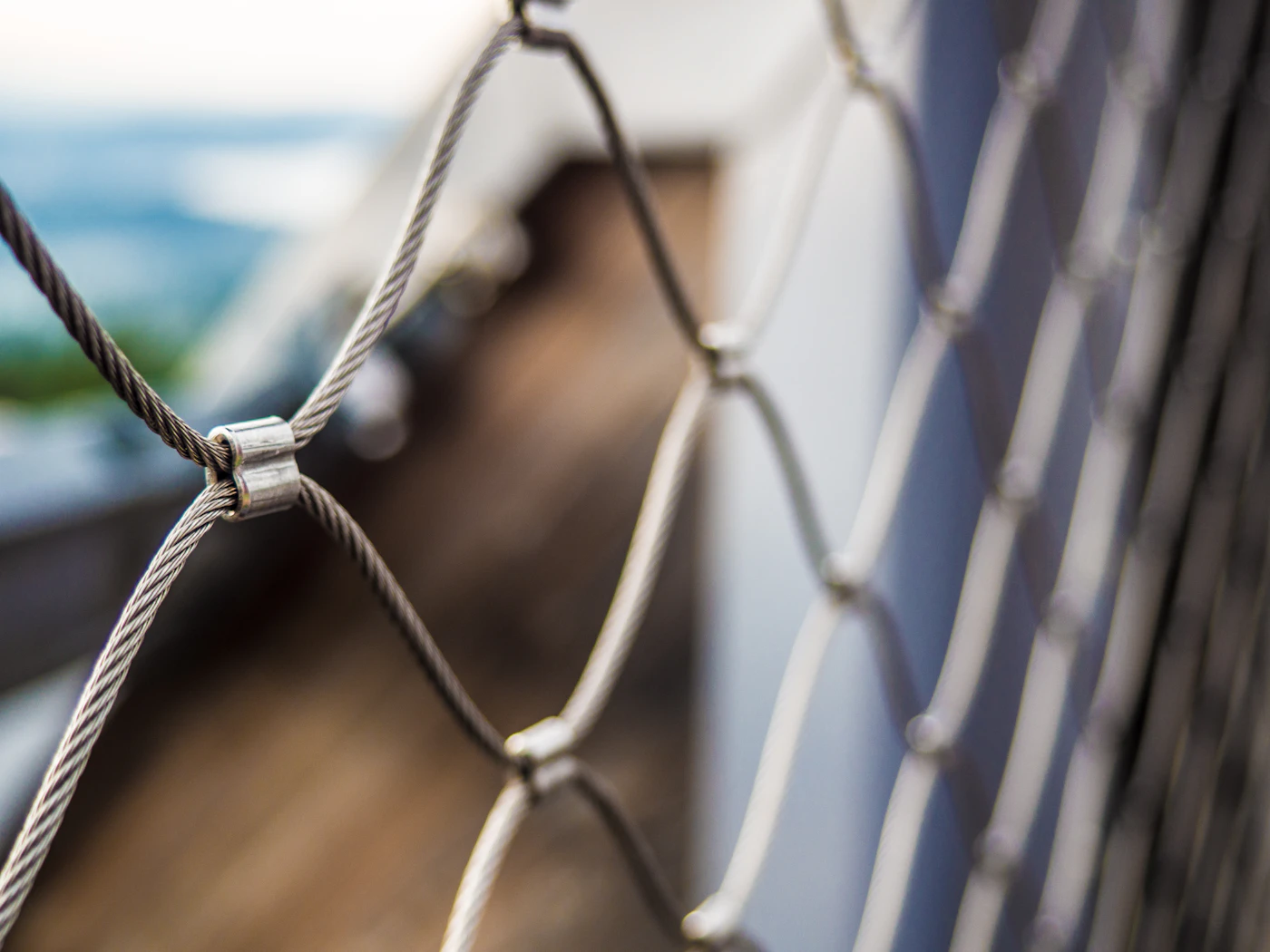
Stainless steel wire detail close-up
Pin detail · Polycarbonate base
Chapter 03 · Material

What it's made of.
Down to the adhesive.

Specified for ten Mumbai monsoons and salt-air exposure. Most failed bird-spike installs fail on materials, not design — plastic pins that snap, MS-coated bases that rust, hardware-store silicone that lets go in monsoon. We don't use any of those.

Stainless steel wire pins close-up
Material 01

The pins — stainless 304.

1.3 mm SS 304 wire, hardened and tempered so the pin holds shape under a crow's landing weight without bending out flat. Same grade we use on Invisible Grill cables. Salt-air rated for sea-facing towers — no rust streaks down the chajja three years in.

Clear polycarbonate sheet edge detail
Material 02

The base — UV-grade polycarbonate.

Optical-clear polycarbonate, 4 mm thick, UV-stabilised for ten years of full Mumbai sun. Doesn't yellow, doesn't embrittle, doesn't shatter when somebody steps on it during chajja cleaning. Reads as nearly invisible from below.

Stainless hardware and adhesive components
Material 03

The adhesive — structural silicone.

Dow Corning 791 weatherproofing sealant — the same UV-grade silicone specified on commercial curtain-walling. Holds the base flat against the substrate through ten Mumbai monsoons. SS 304 screws when the surface (industrial steelwork, signage frame) prefers a mechanical fix.

Chapter 04 · Where it's installed

Real elevations.
Real perches. Real Society contracts.

AC outdoor unit tops, chajja edges, parapet copings, balcony railing tops where the family doesn't want netting, building signage, CCTV camera mounts, podium-level steel beams. The sister product to Pigeon Net — most Society contracts spec the two together: net the openings, spike the edges.

Apartment exterior with AC outdoor unit
AC outdoor unit · Powai

The most common install.

A 100 mm strip across the top of the ODU and a second strip on the brackets. Stops pigeons standing on the unit, prevents the droppings clogging the condenser fins, extends AC service life by years.

Mumbai high-rise residential chajja
Chajja · Bandra

Concrete shelf edge

Mumbai high-rise parapet edge
Parapet · Worli

Granite coping top

Modern building elevation detail
Signage · Lower Parel

Box signage frame top

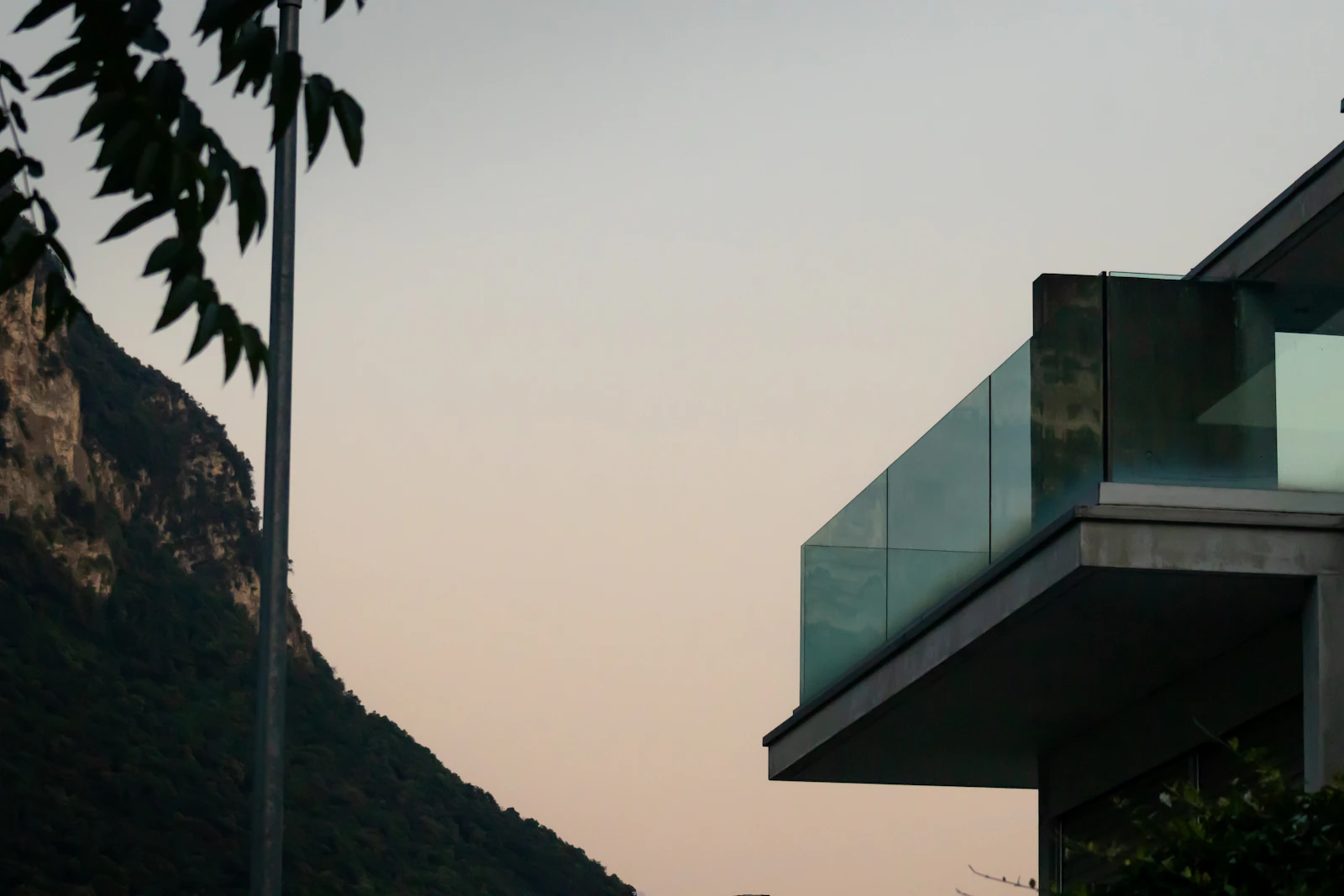
Frameless glass railing detail
Railing top · Khar

Glass railing — no net wanted

Building service detail close-up
CCTV · Andheri

Camera mount housing

Mumbai sea-facing high-rise
Sea-facing · Cuffe Parade

SS 304 pins, salt-rated adhesive bead for coastal towers

Chapter 05 · Comparison

A direct read on the
seven decisions that matter.

Plastic spike strip
Repellent gel
Aditi Bird Spike
Stops perching
Yes — for 18 months
Yes — for 3 months
Yes — for 10+ years
Visible from below
Yellows over time
Visible glossy patch
Clear base — near-invisible
Monsoon ageing
Pin tips snap and litter
Washes/dries off
SS 304 — no degradation
Cruelty
Snapped tips can injure
Cruelty-free — deters, no harm
Install on painted wall
Drill or staple
Greasy residue, stains
Glue with structural silicone
Salt-air sea-facing
Coatings flake in 1 yr
Washes off faster
SS 304 pins, UV-grade base
Re-application cost
Replace whole strip
Re-apply quarterly
No re-application — install and forget
Chapter 06 · Benefits

A small product that quietly
handles a large problem.

Cruelty-free — deters, doesn't harm.

The pin geometry stops a bird landing flat — uncomfortable, never injurious. Approved by humane-control standards globally. The bird simply chooses another building. Nothing is hurt.

Near-invisible from below.

A 4 mm UV-clear polycarbonate base reads as nothing at all from the street. Only the silhouette of the SS 304 pins is visible against the sky — and only if the viewer is looking directly up.

10+ year service life.

SS 304 pins on UV-stabilised polycarbonate, structural-silicone bonded. The system outlives the AC unit it's installed on, and stays presentable through ten Mumbai monsoons. Install once, forget.

Glued install — no drilling.

On polished granite copings, freshly painted parapets and waterproofed chajjas, we bond with Dow 791 structural silicone. No drilled holes in the waterproofing, no rust streaks down the elevation, no patch-painting after install.

Pairs with Pigeon Net.

Net the openings; spike the edges. The two systems are speccd together on most Society contracts — the net stops landing in the balcony, the spike stops perching on the parapet and the AC unit. One quotation, one schedule.

Salt-rated for sea-facing towers.

On Cuffe Parade, Worli and Walkeshwar elevations, the SS 304 pins and UV-grade adhesive carry through the salt the way our window systems do. No rust streaks, no chalking, no need to re-do the elevation in five years.

Three heights, picked to the bird.

100 mm for sparrows and small pigeons, 130 mm for adult pigeons and city crows, 150 mm for ravens and gulls (relevant on the Worli sea-face). Specified per surface, not blanket-applied — the install reads cleaner.

Protects the AC condenser.

A 100 mm strip on the top of every ODU keeps droppings off the fan grille and the condenser coil. The unit cools properly, runs quieter, and lasts the years the manufacturer claimed. A direct ROI item, not just cosmetic.

Designer-direct.

Suraj reads the drawing. No franchise, no call-centre, no rep filtering technical questions. The relationship is the brand.

Chapter 07 · Common questions

The questions a Society
secretary asks first.

No. The pin geometry deters perching by being uncomfortable to land on flat — the bird simply chooses another surface. Bird spikes are approved by humane-control standards globally and recommended by the RSPB and the Humane Society. They prevent perching; they do not injure.
Yes — that's usually the right call. We bond with Dow 791 structural silicone, the same UV-grade adhesive specified on commercial curtain-walling. No holes in the waterproofing, no rust streaks down the elevation, full strength in 24 hours. Drilled fixing only when the surface (industrial steel, signage frame) requires it.
Yes — the 130 mm and 150 mm spike heights are specified for crows and ravens specifically. The geometry has to be tall enough that the bird can't simply step over the pins to settle between them. We pick the height per surface — a single Society contract usually runs all three heights across different elevations.
They don't. SS 304 is the same grade we use on Invisible Grill cables — it doesn't rust in Mumbai humidity. For sea-facing towers within a kilometre of the coast, the standard upgrade is to SS 316 (marine grade) at a small cost premium. Either way, no rust streaks down the elevation in year three.
Yes — the Dow 791 silicone is rated as structural-grade weatherproofing and holds the strip flat against the substrate through full water immersion. The cheap silicone most local installers use lets go in the second monsoon; we don't use it. Ten-year bond life is realistic.
Most often, both — and on the same Society contract. Pigeon Net closes off the openings (balconies, atrium voids, AC ledges where the bird wants to land flat). Bird Spikes close off the edges (parapets, chajjas, AC tops, signage frames where the bird wants to perch). Net the openings, spike the edges. We quote them as a single specification.
3–5 working days from drawing approval to install for a single apartment's AC ledges and chajja. Society-wide contracts (every flat's ODU, every floor's parapet coping) we phase tower-by-tower, typically 3–4 weeks for a 200-flat building.
Send the drawing

Send the drawing.
We'll quote by Friday.

No site-visit fee. No call-centre. No quote written before measurement. Suraj reads the drawing himself, walks the site within 48 hours of enquiry, and signs off the installation drawing before we ship the strips.

If your Society is also considering pigeon nets for the balconies and atriums, mention it on the WhatsApp — we quote the net and the spike together, with a single phasing plan, so the building gets done in one mobilisation.

Workshop
Santacruz (East), Mumbai
aditi enterprise · Aluminium fabricators for Mumbai's interior designers, architects and HNI residences.
© 2026 · All rights reserved