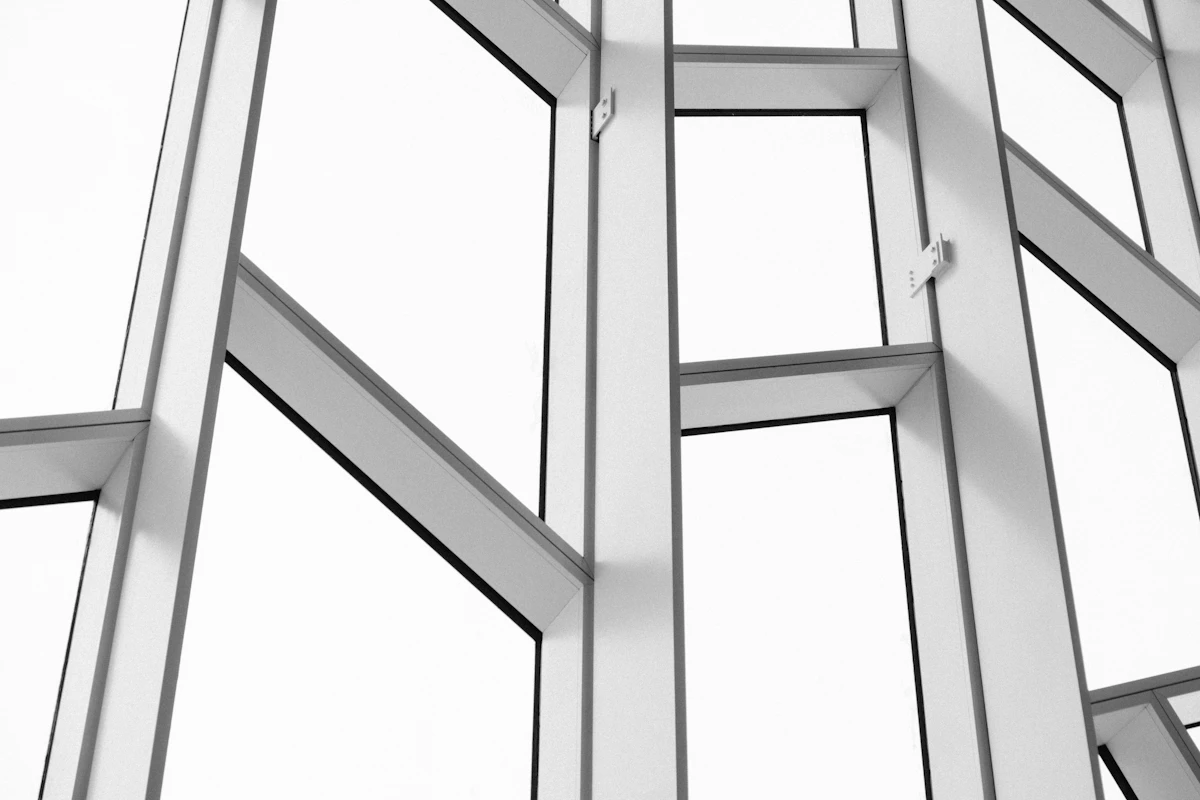
Vertical aluminium fins applied to a building elevation as a sun-shade and architectural rhythm element. Slim extruded blades bolted to the slab edge or curtain-wall mullion, projecting 200 to 600 mm. The west-facing afternoon stops at the facade — not at the curtain.
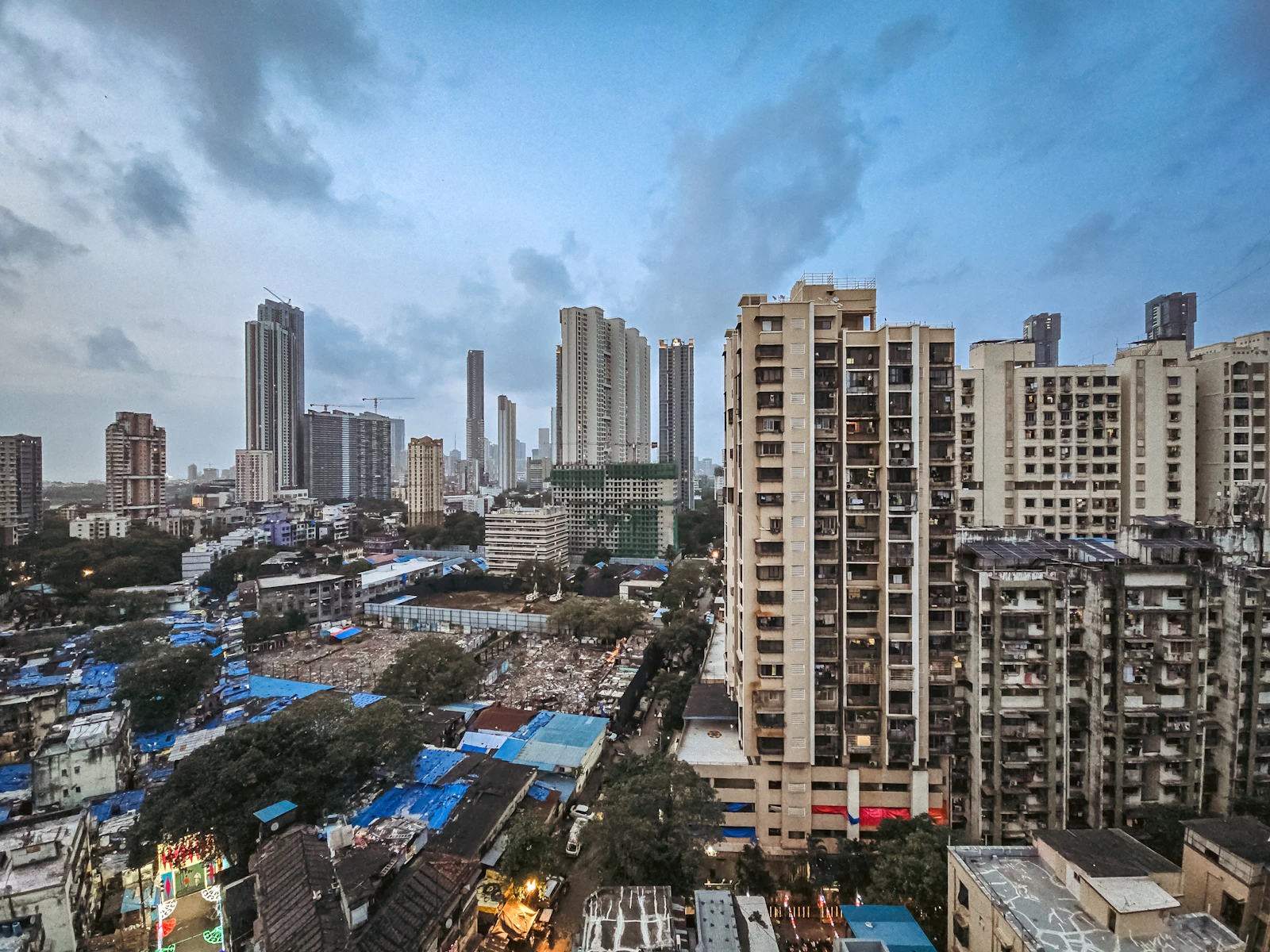
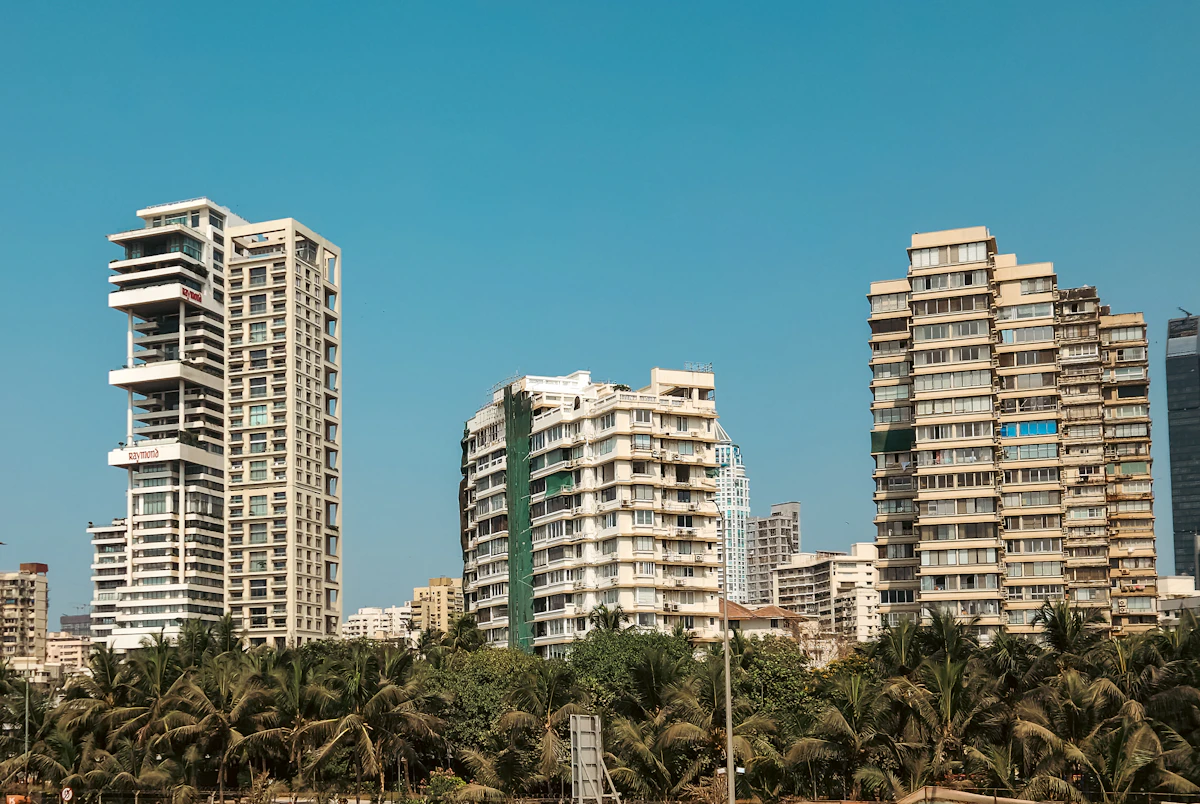
A Bandra sea-facing flat, 4 PM in April, west sun straight through the curtain wall. The AC runs flat-out, the sofa fades in a season, and the elevation the architect drew has been quietly defeated by the brief it never accounted for.
6063-T6 aluminium extrusion, custom blade profile drawn for the elevation. 50 × 100 mm for a quiet rhythm, 100 × 200 mm where the elevation can carry weight, fully bespoke profiles where the architect has drawn one. Up to 6 m per piece, joined invisibly on long runs.
SS 304 brackets bolted to the slab edge with chemical anchors, or clipped onto the curtain-wall mullion where the facade allows. The bracket carries the wind-load; the blade carries the rhythm.
EPDM pad between the SS bracket and the aluminium blade — prevents galvanic corrosion at the joint, which is the single failure point on every cheaper fin install. No metal-on-metal contact, no rust path.
The parts of a fin install that fail in five years are simply not in this system.
6063-T6 for the blade because that’s the alloy that holds a finish for twenty years. SS 304 wherever the bracket meets weather. EPDM where two metals would otherwise touch. Specified for Mumbai monsoon and Mumbai sun in equal measure.
Same alloy family as our slim window sections. Custom blade profile drawn to the architect’s elevation — 50 × 100 mm, 100 × 200 mm, or fully bespoke. Up to 6 m per piece, mitred and joined where the run is longer.
Stainless brackets bolted into the RCC slab edge with HILTI-grade chemical anchors. Sized to the wind-load on the floor — taller floors get heavier brackets. No MS, no site-welded plates, no part of the bracket that can rust into the slab.
Architectural anodising in silver, champagne, bronze or black for a 20-year finish life. Or polyester powder-coat to any RAL or NCS swatch when the elevation calls for a specific colour. Pre-treated and oven-cured at the supplier, never on site.
West-facing residential elevations along the sea line — Bandra, Juhu, Worli, Walkeshwar. Boutique commercial facades in Lower Parel and BKC. Designer villa elevations in Khar and Pali Hill. Hotel and restaurant facades where the architect has drawn rhythm, not chajja.
Vertical 50 × 100 fins across the west elevation of a sea-facing flat. Bolted to the slab edge floor-to-floor, projecting 300 mm. The afternoon sun stops at the facade; the AC stops working overtime.
Vertical fins for the west elevation, horizontal louvres for the south — both built in the same 6063-T6 family, both finished to match. The architect picks the rhythm, the alloy stays consistent.
A 300 mm projection on a vertical fin blocks direct west and south-west sun from 2 PM through dusk. The AC runs softer, the sofa stops fading, and the curtain wall is a curtain wall again.
50 × 100 mm reads quietly on a residential elevation; 100 × 200 mm carries weight on a commercial facade. Custom profiles drawn for the architect when the elevation calls for one.
Architectural anodising holds for 20 years in Mumbai weather. Polyester powder-coat to any RAL is good for 15. No site-painted MS dressed up to look like aluminium.
Silver, champagne, bronze, black anodised for the architectural defaults. Powder-coat to any RAL or NCS swatch when the elevation needs a specific colour.
No structural rework. We chemical-anchor SS 304 brackets to the slab edge — the existing tower stays, the elevation gains a fin grid in two weeks per face.
Where the facade is a unitised curtain wall, the fin clips to the mullion rather than the slab. Same bracket family, same finish, same alloy as the rest of the facade.
When the architect has drawn a custom profile, we extrude to that drawing. Tapered, asymmetric, perforated — the alloy and the finish hold whatever the elevation needs.
Suraj reads the elevation. No franchise, no call-centre, no rep filtering technical questions. The relationship is the brand.
No site-visit fee. No call-centre. No quote written before measurement. Suraj reads the elevation himself, runs the sun-path study, and signs off the shop drawing before we cut the extrusion die.
If the fins are part of a wider facade scope — curtain wall, terrace railings, pergola or canopy on the same project — ask for a single specification covering all of it. One workshop, one fabricator, one finish family.